Career as a logistics and shipping expert in Kujalleq
Working as a logistics and shipping expert in Kujalleq can be an exciting and rewarding career path for those interested in combining their professional skills with unique experiences in Greenland. In this comprehensive guide, we will delve deep into the many aspects of working in logistics and shipping in this region. From job opportunities and economic conditions to daily life and cultural integration, you will find a detailed overview that helps you prepare for a potential career move to Kujalleq.
The job market and career opportunities in Greenland
Greenland is known for its spectacular landscapes and rich cultural history, but it is also a place with a dynamic job market, particularly in logistics and shipping. As more companies and projects establish themselves in the region, the demand for qualified professionals who can facilitate the transport and distribution of goods in this unique geographical area is increasing. In Kujalleq, there is a particular focus on supply chain efficiency, creating many job opportunities in the logistics sector.
Current job market and demand
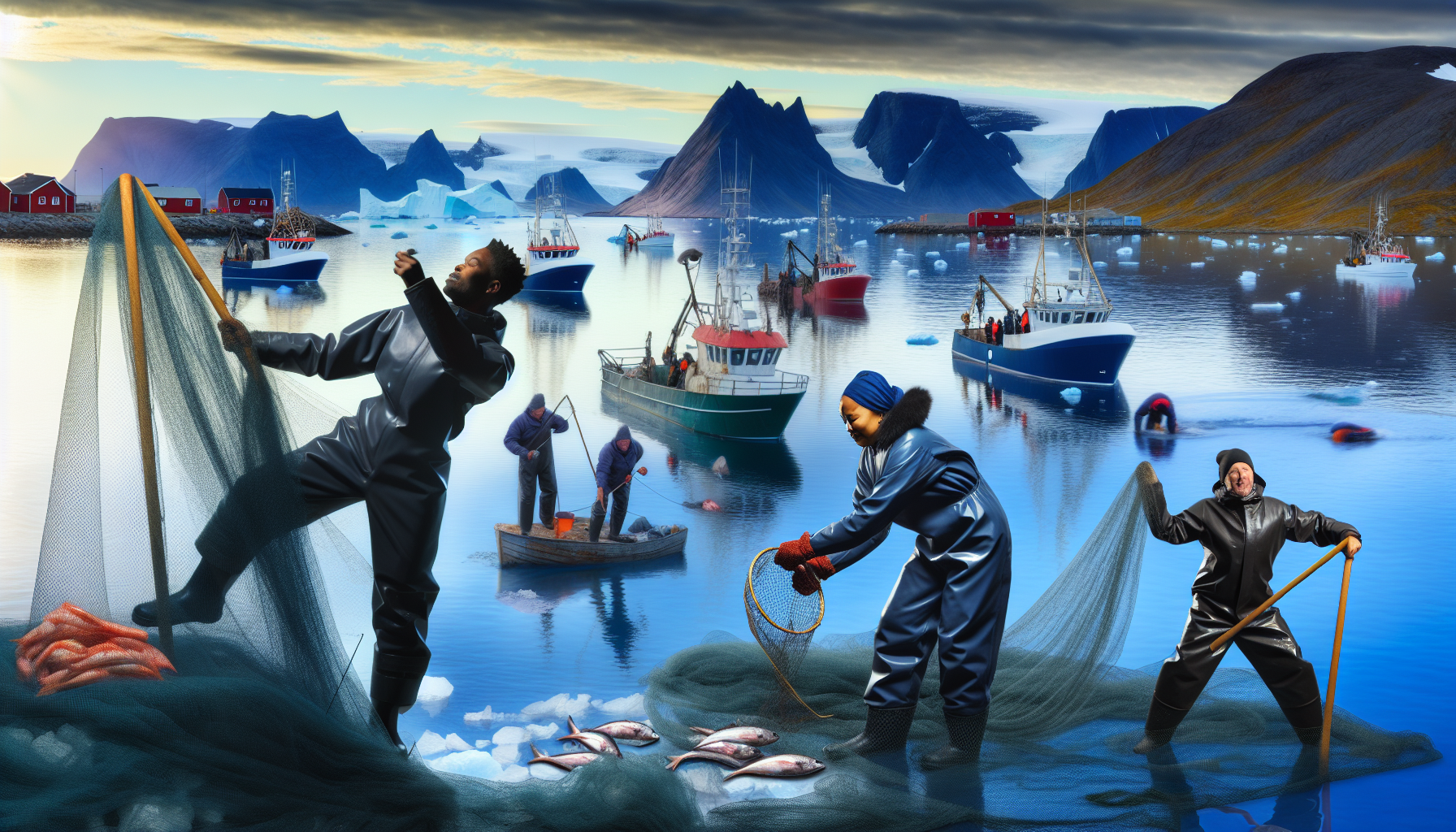
The job market in Greenland, and particularly in Kujalleq, has seen steady growth in logistics and shipping. This is partly due to the region's reliance on well-functioning supply chains to ensure a constant supply of goods and services to both residents and businesses. Sectors such as mining, fishing, and tourism have increased the need for professionals in logistics, as these industries are heavily dependent on efficient transport and distribution systems.
Several Greenlandic and international companies are looking to exploit the rich natural resources in the area, which has also led to an increase in infrastructure projects. This has opened up specific job opportunities in project logistics, where specialized knowledge about transporting large and heavy loads under challenging conditions is needed. As part of the growth, many companies are now seeking employees who can handle complex logistical challenges and work effectively in a diverse and often harsh environment.
Qualifications and educational requirements
To work as a logistics and shipping expert in Kujalleq, it is important to have the right qualifications and education. A formal education in logistics, shipping, or supply chain management is often an advantage. However, work experience and specific skills can also play a significant role in the hiring process.
Necessary education and certifications
The educational requirements for positions in logistics and shipping in Greenland vary depending on the employer and the complexity of the position. Many employers prefer candidates with a bachelor's degree in logistics, transport, or supply chain management. Additionally, professional certifications, such as a Certified Logistics and Supply Chain Professional (CLSCM) or a Certified International Freight Forwarder (CIFF), can help increase your chances of employment, as they demonstrate a deep understanding of complex logistical processes.
In addition to formal education, practical experience and knowledge of the Greenlandic infrastructure can also be valuable. Several educational institutions offer specialized courses and programs that can be a good way to update or expand your qualifications.
Language requirements and experience
Language can be an important factor when working in Greenland. Although Danish is often the working language, especially in larger companies, knowledge of Greenlandic is a significant plus and can in some cases be a requirement. It shows respect and understanding for local culture and can help facilitate communication in daily life.
Experience in logistics and shipping, particularly under extreme conditions, is also an advantage. Many companies value candidates who have experience working in remote or challenging environments, as it indicates the ability to adapt and problem-solve under pressure.
Specializations and career development
Within logistics and shipping in Kujalleq, there are many ways to specialize and advance your career. From leadership roles and project management to niche areas such as hazardous goods transport or Arctic logistics, the opportunities are many.
Specializations can help open doors to senior positions, such as logistics manager or supply chain manager, where strategic planning and leadership are key competencies. Additionally, experience with specific types of transport, such as maritime or air transport, can offer further advancement opportunities.
Career development can also involve further education, certifications, and participation in industry networks. Having a mentor or joining professional networks can further help advance your career by providing access to new opportunities and resources.
Salary, benefits, and economic conditions
Salary and economic conditions are important aspects when considering working as a logistics and shipping expert in Kujalleq. Greenland offers competitive salaries compared to Denmark, reflecting the unique challenges and cost of living in the region. At the same time, there are a number of economic benefits and tax conditions worth exploring when planning a move to Greenland.
Salaries and salary ranges
The salary level for positions in logistics and shipping in Greenland depends on a number of factors, including experience, education, and the specific role. Greenland often offers salaries that are higher than the average in Denmark, compensating for the harsh living conditions and the special demands associated with working in the Arctic.
Base salary and experience
The base salary for a logistics and shipping expert in Greenland can vary, but a starting salary in the range of 400,000 to 600,000 DKK annually is not uncommon. Experienced professionals and those in leadership positions can expect higher salaries, often up to 700,000 DKK or more. Compared to Denmark, a higher base salary is often seen in Greenland, taking into account the additional costs and challenges of living and working in this unique part of the world.
Allowances and bonuses
In addition to the base salary, there are also opportunities for additional financial benefits, such as allowances and bonuses. Many employers offer polar allowances, which are extra compensation for the harsh and cold working conditions. There may also be incentives in the form of performance bonuses or extra pay for overtime. These allowances and bonuses can be an important part of the overall compensation package and can make a significant difference in financial planning.
Tax conditions and economic benefits
When working in Greenland, it is important to understand the local tax system, which differs from the Danish one. Greenland has its own tax system with different tax rates and deductions. Typically, the tax rate is lower than in Denmark, which can be an attractive factor for many.
Greenland also offers some economic benefits, such as reduced VAT on certain goods and services, which can help reduce daily living costs. However, it is important to familiarize yourself with the specific tax and VAT rates, as they can vary depending on income and residence.
Cost of living and savings
The cost of living in Greenland is generally higher compared to Denmark, primarily due to the high costs of importing goods. This can affect everything from groceries to housing and transportation. Therefore, it is important to take these factors into account when considering a career as a logistics and shipping expert in Kujalleq.
Housing costs and daily expenses
Housing costs in Greenland can be a significant part of living expenses. Prices for renting or buying homes vary depending on location and type of housing, but generally, costs are higher than in many parts of Denmark. It is possible to find housing through local networks and municipal facilities, but it may be necessary to plan a bit further ahead.
Daily expenses, such as groceries and supplies, can also be higher. Many goods need to be imported, which can increase prices. It is therefore a good idea to plan purchases and take advantage of local offers whenever possible to manage the budget effectively.
Savings opportunities
Despite the higher cost of living, there are still good opportunities for saving, especially since salaries are often competitive. By keeping a close budget and taking advantage of any financial benefits and tax deductions, one can build a solid savings. Living in Greenland can also provide opportunities to reduce certain consumption expenses, as some of the expensive lifestyle habits from Denmark may not be available to the same extent.
Daily life and life in Greenland
Moving to Greenland offers a range of unique daily experiences and lifestyle changes. Life in Kujalleq can be both challenging and enriching, with a strong sense of community and access to scenic surroundings. It is important to understand the daily working conditions, housing situation, and how social life unfolds when considering a job as a logistics and shipping expert in this part of the world.
Working conditions and work environment
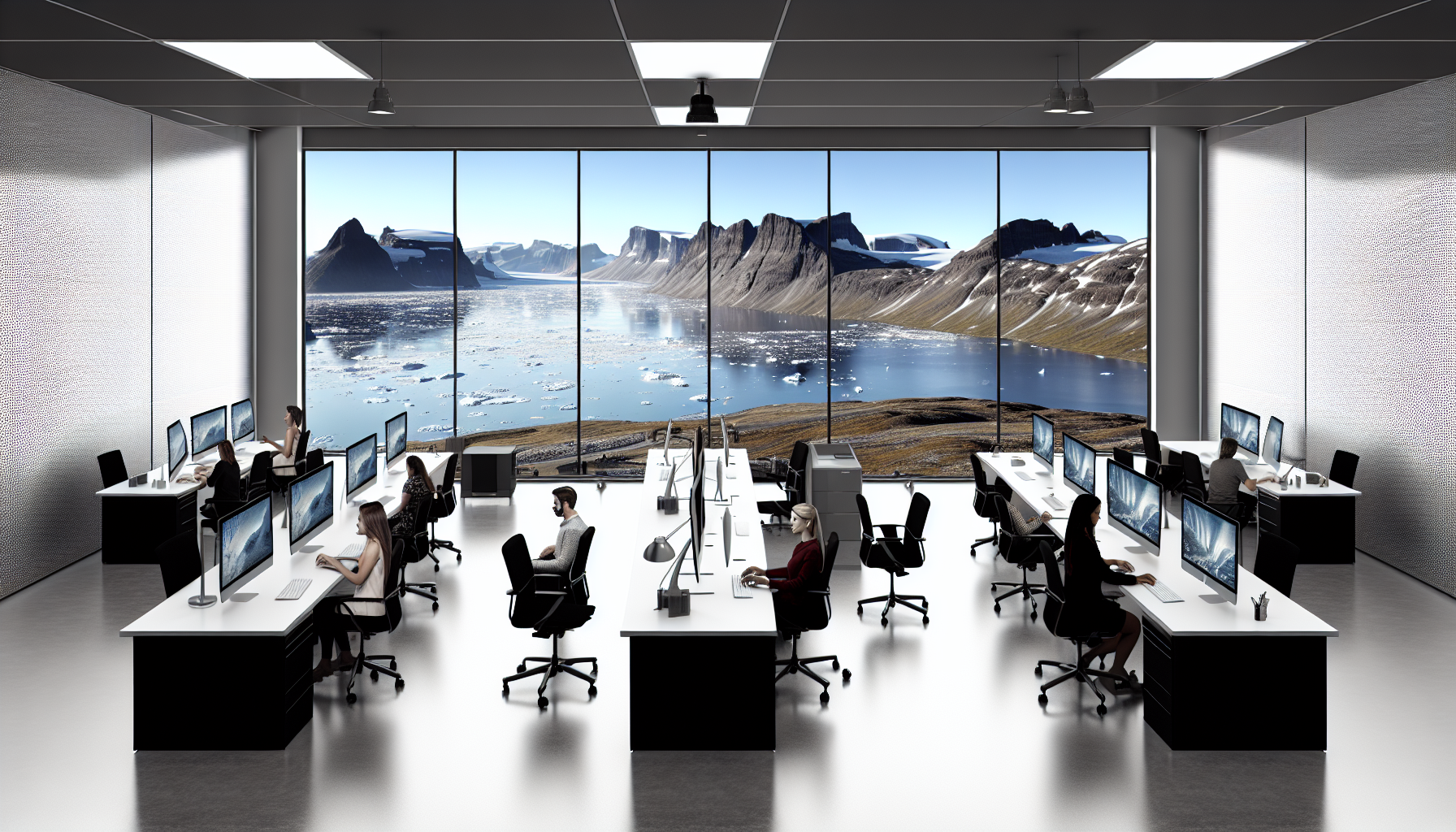
The working conditions in Kujalleq are characterized by both the unique environment and the strong local culture. Many workplaces value flexibility and the ability to collaborate in often challenging climates. The work environment is typically characterized by a relaxed atmosphere, where there is an emphasis on work-life balance.
Working hours and structure
Working hours in Greenland can vary depending on the industry and specific position. Within logistics and shipping, working hours may be more flexible, as there may sometimes be a need to adapt to transport times and weather conditions. Many positions, however, offer a standard workweek with the possibility of flexible working hours, allowing for a healthy work-life balance.
The typical work life in Greenland may also include more informal work environments, where hierarchies are less pronounced and where collaboration and team dynamics are in focus. This can be particularly appealing to those who appreciate a flatter organizational structure.
Workplace culture and colleagues
The culture in the workplace in Greenland is often characterized by close relationships and a strong sense of community. Collegial relationships are important, and there is an emphasis on respect and mutual support. It is not uncommon for workplaces to organize social events and joint activities, which can help new employees integrate and build networks.
It can also be an advantage to understand the cultural norms and values that prevail in the workplace. Greenlandic culture can be more relaxed compared to Danish culture, and it may require a certain adaptability to navigate the social environments.
Housing and infrastructure
Finding housing in Kujalleq can be one of the more challenging aspects of moving to the area. The selection may be limited, and it is often necessary to plan well in advance. It is also important to understand the local transport options and facilities, which can vary significantly from Danish standards.
Housing options
There are several options for finding housing in Kujalleq, but it often requires some legwork. The municipality offers rental housing, but waiting lists can be long, so it is a good idea to apply early. Private rentals can also be found, but prices may vary depending on location and type of housing.
Finding the right place to live can also depend on personal preferences and needs. Some prefer to live in smaller communities with close ties to nature, while others may prefer urban areas with access to more amenities.
Transport and facilities
Transport options in Greenland are limited compared to Denmark, but there are still several options available. Public transport such as buses may be available in some areas, but many choose to invest in private transport such as cars or snowmobiles depending on needs and season.
Facilities such as schools, health clinics, and shops are usually available in larger urban areas, but may be more limited in smaller villages. It is important to be aware of these factors when planning your settlement.
Family and social life
Family and social life in Greenland is unique and can offer many opportunities to participate in community activities and build strong social networks. It is important to understand the opportunities available for families and how to best integrate into the local community.
Childcare and schools
Greenland offers a range of options for childcare and schooling, but this can vary depending on the area. There is typically access to both public and private schools, and instruction often takes place in both Danish and Greenlandic. Childcare options such as daycare centers and kindergartens are also available, but may have waiting lists.
For families, it is important to investigate the local educational offerings and childcare options to ensure they meet the family's needs.
Leisure activities and community life
Greenland is rich in leisure opportunities, whether one is interested in outdoor activities, cultural events, or social gatherings. There are often local events and festivals where one can participate and learn more about Greenlandic culture.
Opportunities for outdoor activities, such as hiking, fishing, and dog sledding, are a big part of life for many in Greenland. These activities not only provide the opportunity to enjoy the beautiful nature but can also be a great way to meet new people and integrate into the local community.
Language, culture, and integration
Moving to Greenland often involves significant cultural adaptation. To achieve successful integration, it is important to understand the language and cultural conditions in the region. The Danish and Greenlandic languages play a central role in daily life, and knowledge of local customs and traditions can help ease the transition.
Linguistic conditions
Language is a central part of daily life in Greenland, and it is important to have an understanding of how language is used in both work and private life. Generally, many Greenlanders speak both Greenlandic and Danish, but language skills can vary depending on the area.
Danish, Greenlandic, and English
Danish is often the working language in many companies, but Greenlandic is the dominant language in daily life. Therefore, it can be an advantage to learn Greenlandic to better integrate into the local community and to show respect for the local culture.
English can also be useful, especially in international companies and in the tourism sector, but it is rarely the primary language in daily life. Having a basic knowledge of Greenlandic and some understanding of Danish can be a significant advantage and can open up more opportunities both socially and professionally.
Language courses and learning
There are several options for learning Greenlandic, either through language courses or by participating in local activities where one can learn the language in a more informal setting. Many employers also offer support for language education as part of their onboarding programs, which can help new employees adapt more quickly.
There are also resource centers and online platforms that offer language instruction, which can be a flexible way to learn, especially if one has a busy everyday life. Dedicating time to learn the local language can have a significant positive impact on how one experiences and enjoys their new life in Greenland.
Cultural understanding and adaptation
Cultural understanding is crucial for successful integration in Greenland. The country has a rich culture with deep roots in traditional customs, and it is important to acknowledge and respect these when moving there.
Greenlandic traditions and customs
Greenland offers a variety of traditions and customs that are unique to the country. From traditional ceremonies to national holidays, there are many ways to engage with the local culture.
Participating in cultural events, such as national festivities, can be a fantastic way to learn about local traditions and meet people in the area. These experiences can provide insight into both historical and contemporary cultural practices and can help strengthen understanding of Greenlandic society.
Cultural differences
As with any move to a new country, there are also cultural differences to consider when moving to Greenland. Differences between Danish and Greenlandic culture can include variations in social norms, communication styles, and work ethics.
To adapt as best as possible, it is important to be open to new experiences and to show patience and understanding when encountering cultural differences. Learning about and understanding these differences can contribute to a smoother integration and a deeper understanding of Greenlandic society.
Climate, nature, and quality of life
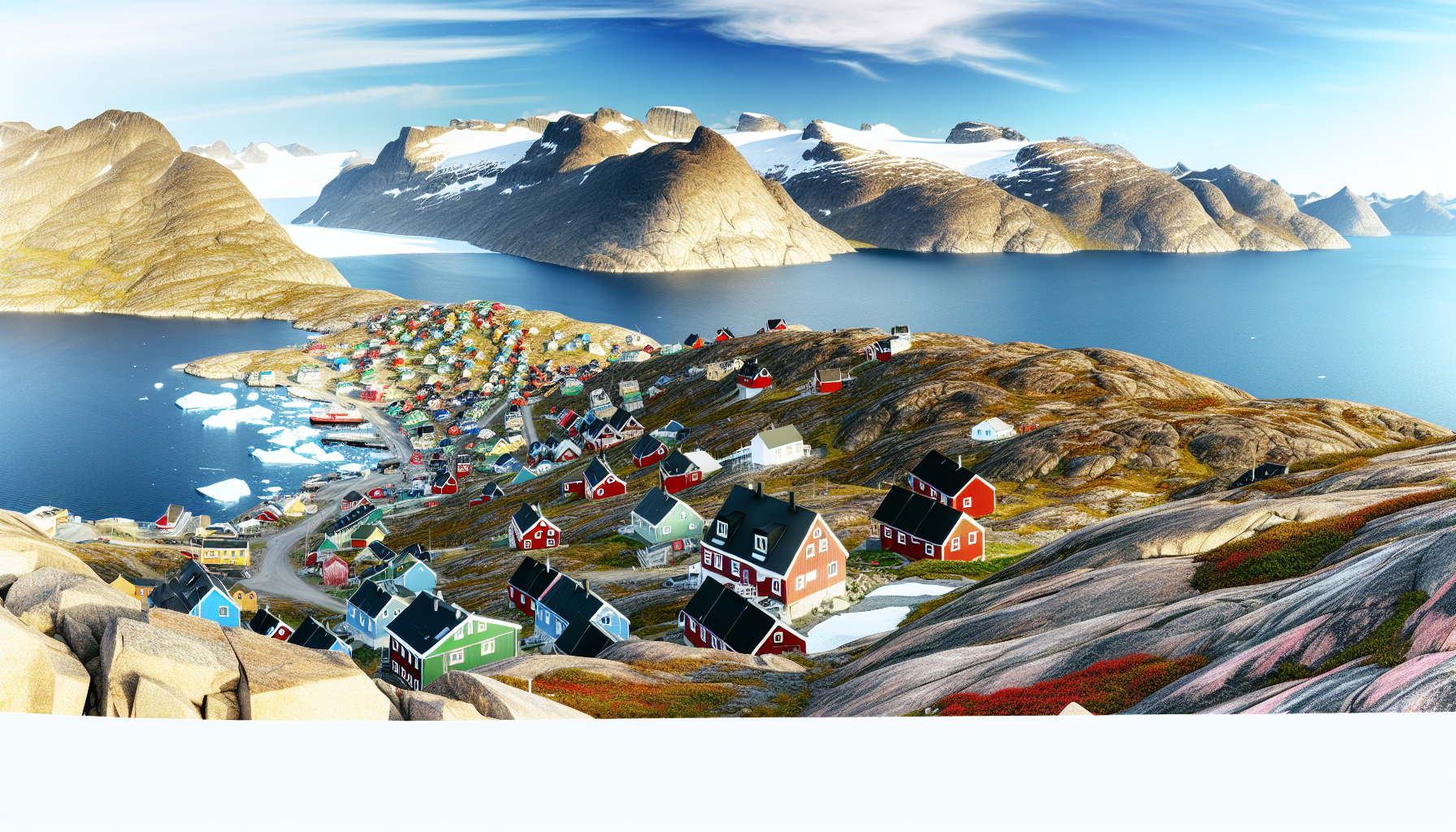
Greenland is known for its extreme climatic conditions and fantastic scenic landscapes. The climate plays a significant role in daily life and can influence both work and leisure. For those who can adapt to these conditions, Greenland offers a high quality of life with rich access to nature and recreation.
The climate and seasons
The climate in Greenland is Arctic, meaning cold winters and cool summers. The weather can vary significantly depending on the region, but common are the short summers and long winters that characterize most areas.
Weather conditions and temperatures
Temperatures in Greenland can fluctuate dramatically, with winter temperatures often falling well below freezing, and summers rarely becoming very warm. In Kujalleq, winter temperatures can often reach down to minus 20 degrees Celsius, while summers typically hover around ten degrees.
Preparing for the Greenlandic climate often involves a good investment in warm and functional clothing, as well as an understanding of how to best navigate snow and ice. It is also important to consider the weather's impact on transport and daily activities.
Polar night and midnight sun
One of the most striking climatic phenomena in Greenland is the polar night and the midnight sun. The polar night, when the sun does not rise for several weeks, can have a significant impact on mood and energy. Therefore, it is important to find strategies to cope with the long winter months, such as ensuring adequate indoor lighting and participating in social activities.
The midnight sun in summer can be just as remarkable, where daylight for 24 hours can affect sleeping habits and day-to-day routines. Many learn to appreciate this unique experience, which allows for outdoor activities late into the night.
Nature and recreational opportunities
Greenland's nature is both magnificent and accessible, making it an ideal place for nature lovers and outdoor enthusiasts. From hiking and sailing to fishing and snowmobiling, there is a wealth of activities to participate in that can enrich life in Greenland.
Nature not only offers recreational opportunities but also a sense of peace and connection with the environment. Many find great satisfaction in exploring Greenland's wild landscapes and the rich biodiversity found there.
Application and practical steps
Applying for a job as a logistics and shipping expert in Kujalleq involves several practical steps, from the job search itself to moving and settling in. It is important to prepare well and understand the processes and requirements associated with working in Greenland.
Job search and application process
Job searching in Greenland can be a different experience compared to Denmark. It is important to navigate the right channels and tools to find the best opportunities.
How to find jobs
There are several ways to find job opportunities in logistics and shipping in Kujalleq. Online job portals and job databases are popular tools for finding vacant positions, but it is also worth networking directly with companies and utilizing recruitment agencies.
It can be advantageous to subscribe to newsletters from relevant companies or participate in job fairs and networking events, which can provide direct access to potential employers.
Application and CV
Preparing a strong application and CV is important to stand out. It is crucial to tailor your CV to the specific position and highlight relevant experiences and qualifications, especially those related to working under extreme conditions.
A well-structured application that demonstrates both motivation and understanding of the Greenlandic work environment can also be a significant advantage. Prepare thoroughly for the interview process by researching the company and preparing relevant questions and answers.
Moving and practical preparations
Once you have secured a job, the next step is to prepare for your move to Greenland. This includes everything from visa and work permit applications to practical arrangements regarding moving and settling in.
Work permit and visa
For workers from Denmark, there is usually no need for a visa to work in Greenland, but it is important to ensure that all necessary documents are in order. This may involve registering with local authorities and obtaining the necessary permits.
It is also beneficial to understand the specific documentation requirements and timelines for applications so that you can plan accordingly.
Moving assistance and onboarding
Many employers offer support for the moving process, which can include assistance with housing searches, transport of belongings, and introductions to local services. Participating in onboarding programs that introduce new employees to both the workplace and the local community can make the transition easier.
Additionally, it may be a good idea to join local networks and social groups to meet others who have gone through a similar moving process and who can offer support and advice.
Conclusion
Working as a logistics and shipping expert in Kujalleq offers a unique opportunity for both personal and professional development. With an understanding of the job market, economic conditions, and the cultural aspects of living in Greenland, you can make informed decisions about the career move. While there are challenges associated with working in an Arctic environment, there are also significant rewards in terms of career opportunities, quality of life, and personal satisfaction.
If you are considering this journey, it is important to prepare thoroughly and remain open to new experiences and learning. Greenland offers a unique lifestyle that can be both challenging and incredibly rewarding for those willing to step outside their comfort zone. Stay focused on your goals, be engaged in the community, and enjoy the countless opportunities that a career in Kujalleq can bring.
By HireMe.gl
11 / 01 / 2026