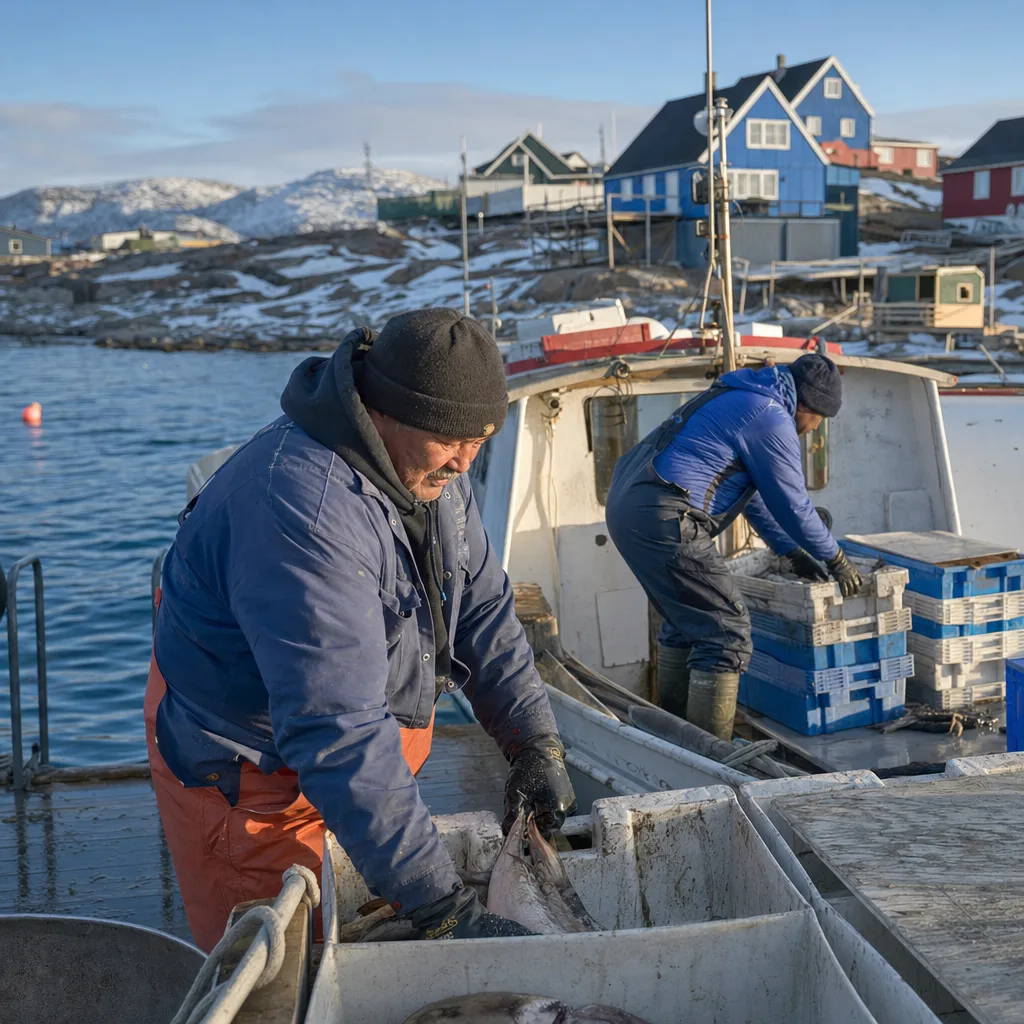

Background image for Job in agriculture, forestry, and fishing in Qeqertalik

Job in agriculture, forestry, and fishing in Qeqertalik

Share on:

Job in agriculture, forestry, and fishing in Qeqertalik

Working in agriculture, forestry, and fishing in Qeqertalik, Greenland can be a unique and enriching experience. The region offers unique landscapes and natural resources that create a dynamic environment for these professions. This article will cover everything you need to know about pursuing a career as a farmer, forestry worker, or fisherman in Qeqertalik. We will look at the job market, salary conditions, daily life, cultural adaptation, climate, and the practical steps to find and secure a job. Whether you are a recent graduate or experienced, you will find useful information and tips for navigating the job market and social life in Greenland.

The job market and career opportunities in Greenland

Greenland has a unique job market characterized by the country's geographical location, climate, and population dynamics. In Qeqertalik, one of Greenland's municipalities, there are specific opportunities in agriculture, forestry, and fishing, which are essential for the local economy. These sectors play a crucial role in the community's self-sufficiency and economic stability.

Current job market and demand

The job market in Greenland, particularly in Qeqertalik, is characterized by a high dependence on natural resources. Fishing dominates as the primary source of income, but there is also a growing interest in agriculture and forestry. Fishing jobs in Qeqertalik, such as positions as fishermen or operations managers on fishing vessels, are often in demand due to the rich fish stocks in the area. The lack of local labor creates good opportunities for foreign job seekers willing to settle in Greenland and contribute to these vital industries.

The Greenlandic landscape and climate provide unique conditions that require specialized skills and knowledge. For example, forestry work in Qeqertalik is not like in the temperate forests of Europe; it requires an understanding of the Arctic conditions and an adaptation to work with the types of trees and plants that thrive under these harsh conditions. There is also a growing need for agricultural jobs in Qeqertalik, especially with a focus on sustainable methods and climate-adapted crops that can withstand the cold temperatures.

Qualifications and educational requirements

To work as a farmer, forestry worker, or fisherman in Qeqertalik, there are certain qualifications and educational requirements preferred by employers. These requirements may vary depending on the specific role and sector, but generally, a combination of formal education and practical experience is crucial.

Necessary education and certifications

In agriculture, a degree in agriculture is typically required, which can be obtained from an agricultural school or university focusing on agronomy or agricultural technology. Certifications in sustainable agricultural practices can also be an advantage, especially as Greenland seeks to develop a more self-sufficient and environmentally friendly agricultural sector.

For forestry work in Qeqertalik, education in forestry or natural resource management is often required. Practical skills in logging and processing forest products are essential, and any certificates documenting these skills will be valuable.

Fishing jobs in Qeqertalik often require a maritime background. Training as a fishing skipper or other maritime certifications may be necessary, depending on the position. Experience in operations with fishing vessels and knowledge of Arctic sea conditions is a significant advantage.

Language requirements and experience

An important aspect of Working in Greenland is the language requirements. While Greenlandic is the official language, Danish is also widely used in business and public services. For many positions, it is expected that you master at least one of these languages, preferably both. Additionally, English can also be useful, especially in connections with international collaborations.

Experience plays a significant role in agricultural jobs in Qeqertalik as well as in forestry and fishing. Employers often look for candidates with several years of experience in their specific field, but there are also opportunities for those willing to learn and adapt to local conditions. Having work experience from similar environments, such as Arctic or sub-Arctic regions, can be an advantage.

Specializations and career development

Career opportunities in these sectors can vary greatly depending on your specialization and desire to continue your education and development. Working as a specialist in sustainable agriculture or as a manager of a fishing business can lead to leadership positions where you can influence strategic decisions and operational management.

As a farmer in Qeqertalik, you can specialize in specific crops or techniques, such as hydroponics or permaculture, which are becoming increasingly popular in Greenland. This can open doors for advisory roles or teaching opportunities where you can share your knowledge with future generations of farmers.

For forestry workers, there are opportunities to specialize in forest protection and conservation, which will be crucial as Greenland develops its policies for sustainable resource utilization. This may involve collaboration with international environmental organizations and participation in projects that support biodiversity and climate resilience.

Fishing jobs in Qeqertalik also offer career paths that include management roles on fishing vessels or in land-based processing facilities. There is also potential to become involved in policy development and advisory roles regarding sustainable fisheries management, which is a critical area in Greenland where the balance between economic growth and environmental protection must be maintained.

Salary, benefits, and economic conditions

When considering working in Greenland, it is important to understand the economic conditions, including salaries, tax conditions, living costs, and the possibility of savings. These factors play a significant role in the decision to move and work in Qeqertalik.

Salaries and salary ranges

The salary structure in Greenland can vary significantly depending on the sector and the specific job. Generally, salaries in agriculture, forestry, and fishing are competitive, as there is a high demand for labor in these areas.

Base salary and experience

The base salary for agricultural jobs in Qeqertalik can vary but typically falls within a range that reflects experience and education. For recent graduates or those with limited experience, the starting salary may be lower, while experienced professionals with specialized skills can expect higher salaries. Compared to Denmark, salaries in Greenland may be higher for the same work, partly due to the higher living costs and the challenges associated with working in an Arctic region.

For forestry work in Greenland, the salary also depends on experience and level of responsibility. Managers or specialists in forestry can expect higher salaries that compensate for the expertise they bring to their roles.

Fishing jobs in Qeqertalik often offer a base salary combined with performance-based bonuses, meaning that the earning potential can be significant, especially during periods of high activity.

Allowances and bonuses

In addition to the base salary, employees in Greenland can expect allowances and bonuses. Overtime and hard work in challenging conditions can result in extra compensation. Location allowances may also be relevant, especially for those working in more remote areas of Qeqertalik. Additionally, some workplaces may offer bonuses based on performance or results, which can be an extra motivation for employees.

Tax conditions and economic benefits

The Greenlandic tax system is relatively simple, but it is important to understand the various taxes and fees that may affect your net income. Tax rates in Greenland are often higher than in Denmark, but this is partly compensated by the economic benefits and higher salaries.

Tax deductions may be available for certain expenses, such as housing costs and childcare, which can help reduce the overall tax burden. Additionally, there are often economic benefits in the form of grants or support schemes for employees moving to Greenland, which may include assistance with housing and adaptation to the local community.

Living costs and savings

The cost of living in Greenland can be higher than in many other countries. This is partly due to the fact that many goods must be imported, which increases the prices of everyday items. It is therefore important to have a realistic understanding of the cost level and to plan your finances carefully.

Housing costs and daily expenses

Housing costs are one of the largest items in the budget for those living and working in Qeqertalik. Rental prices can vary depending on location and amenities, but generally, it can be a challenge to find affordable housing. It is recommended to thoroughly research the housing situation and, if possible, seek advice from employers, who can often offer housing assistance.

Daily expenses, such as food and transportation, can also be higher than in Denmark. It is advisable to create a detailed budget plan to manage these expenses and consider alternative solutions, such as carpooling or ordering goods in larger quantities to reduce costs.

Savings opportunities

Although the cost of living is high, there is also potential to save money, especially if you carefully manage your expenses. Many employers in Greenland offer savings plans or pension schemes that can help employees secure their future finances. Additionally, the relatively higher salaries compared to living costs can provide the opportunity to set aside money if one lives simply and avoids excessive spending.

Daily life and life in Greenland

Moving to Greenland involves a completely different daily life than in many other parts of the world. Life in Qeqertalik offers a unique blend of modern facilities and traditional lifestyles, which can be an exciting experience for those open to new cultures and ways of living.

Working conditions and work environment

Working conditions in Greenland can vary depending on the sector and the specific workplace. Generally, the work environment is characterized by a strong sense of community and collaboration, which is necessary to thrive in the harsh Arctic conditions.

Working hours and structure

Working hours in Greenland can be adapted to the specific needs and conditions of each sector. For example, fishing jobs in Qeqertalik may require long periods at sea, followed by longer periods of time off. In agriculture and forestry, working hours may vary depending on the season and weather. Flexibility is often key, and many workplaces offer the option to negotiate working hours that suit both the employee's and employer's needs.

Work life in Greenland is generally relaxed, yet focused on efficiency and results. There is an emphasis on a healthy balance between work and leisure, which is important for ensuring employee well-being in the demanding environment.

Workplace culture and colleagues

The work culture in Greenland is often characterized by community and a close connection between colleagues. Team collaboration is essential, and employees are expected to be willing to help each other and contribute to a positive work atmosphere. Professional relationships can often develop into friendships outside of work hours, strengthening the social cohesion in Greenlandic society.

It is important to be culturally sensitive and respectful of local customs and traditions. Understanding and adapting to these norms can make the transition to life in Greenland much smoother and enriching.

Housing and infrastructure

The housing situation in Qeqertalik can be an important factor to consider when moving to Greenland. Infrastructure and availability of modern facilities are often less extensive than in larger cities, but efforts are continuously being made to improve conditions.

Housing options

There are various housing options in Qeqertalik, ranging from apartments to houses. Availability can vary, so it may be necessary to be flexible and open to different solutions. It is recommended to contact local housing associations or employers, who can often provide guidance and assistance in the housing process.

For those seeking a more permanent solution, it may be a good idea to explore the options for purchasing property, although this can be a lengthy process due to legal and financial considerations.

Transportation and facilities

Transportation in Greenland primarily relies on planes, boats, and snowmobiles, depending on the season. This can be a significant change for those accustomed to extensive public transportation in urban areas. It is important to plan trips well in advance and be prepared for possible delays, especially in the winter months.

The facilities in Qeqertalik include necessary shops, health centers, and schools, but they may be limited compared to larger cities. Many services and goods must be ordered from outside, which can affect availability. It is important to be prepared to adapt to a more self-sufficient lifestyle and appreciate the resources that are available.

Family and social life

Life in Qeqertalik offers a unique blend of nature and community, which can be very welcoming for families and individuals. Social life often revolves around shared activities and local traditions that strengthen the bonds between residents.

Childcare and schools

For families moving to Greenland, it is important to consider options for childcare and education. There are various options for childcare, including public and private daycare centers. The quality of education in Greenland is generally good, but class sizes can vary, and instruction may take place in both Greenlandic and Danish.

It is important for parents to engage in the school community and understand the cultural and educational differences that may exist between Greenland and their country of origin.

Leisure activities and community life

Leisure activities in Qeqertalik are often centered around nature and local communities. There are many opportunities for outdoor activities such as hiking, fishing, and hunting, which can be a significant part of the social lifestyle. Community life also includes local festivals and cultural events that celebrate Greenland's rich cultural heritage.

Participating in these events can be a fantastic way to integrate into the local community and build relationships. It is also an opportunity to learn about local traditions and customs and contribute to the life and development of the community.

Language, culture, and integration

One of the biggest challenges of moving to Greenland can be adapting to the local languages and cultures. But it can also be one of the most rewarding parts of the experience, as it provides a deeper understanding of and connection to Greenland and its people.

Linguistic conditions

Language plays a crucial role in integration, and it is important for those wishing to work in Greenland to have an understanding of the local linguistic conditions.

Danish, Greenlandic, and English

Greenlandic is the official language in Greenland, but Danish is also widely used, especially in business and public services. English is also used, but to a lesser extent. For those wishing to work in Greenland, it is often an advantage to be able to communicate in both Greenlandic and Danish, as this opens up more opportunities and makes integration easier.

Communication in everyday life can take place in all three languages, depending on the situation and the people involved. Therefore, it is a good idea to improve your language skills, either before moving to Greenland or by taking language courses after arrival.

Language courses and learning

There are various options for learning Greenlandic and Danish in Greenland. Many places offer language courses for newcomers, and some employers may also provide support for language training as part of their onboarding programs. It is a good idea to take advantage of these offers, as they can improve your integration into both the work environment and the community in general.

Online resources and apps can also be useful tools for learning a new language and can be used as a supplement to formal courses. It is important to remember that language learning is a process that requires time and commitment, but can be very rewarding in the long run.

Cultural understanding and adaptation

Understanding and adapting to the local culture is essential for successful integration in Greenland. This involves respecting and appreciating the traditions and customs that are dear to the Greenlandic people.

Greenlandic traditions and customs

Greenland has a rich cultural heritage that is reflected in a variety of traditions and customs. From national holidays to local festivals, there are many events that provide opportunities to experience Greenlandic culture up close. For example, Christmas and the national day in June are significant events celebrated with both modern and traditional activities.

It is important to participate in these events and respect local customs, such as traditional clothing and customs surrounding hospitality and meals. By engaging in the culture, one can build understanding and respect for the people one lives and works with.

Cultural differences

There may be cultural differences between Greenland and Denmark that one should be aware of. These differences can include communication styles, perceptions of time, and relationship building. It is important to be open and patient when navigating these differences and to seek guidance from local colleagues or friends when necessary.

Developing cultural sensitivity can help foster positive relationships and make it easier to adapt to life in Greenland. It can also contribute to a greater understanding of the challenges and opportunities that exist as part of Greenlandic society.

Climate, nature, and quality of life

Greenland's climate and nature are truly unique, and they play a significant role in the quality of life for those living here. It requires some adaptation to live in an Arctic climate, but it also offers exceptional opportunities to experience the beauty and diversity of nature.

The climate and seasons

Greenland's climate can be harsh, but it is also an important part of the country's charm. The seasons change dramatically, and each season brings its own challenges and beauties.

Weather conditions and temperatures

The weather in Qeqertalik is cold, with low temperatures most of the year. Winters can be extreme with temperatures well below freezing, while summers are relatively mild but still cool. It is important to be well-prepared for these conditions, and it is recommended to invest in warm winter clothing and gear that can protect against the cold.

Learning to adapt to the weather can take time, but it is an important part of living in Greenland. Planning activities and daily routines around the weather is often necessary to ensure safety and comfort.

Polar night and midnight sun

One of the most striking aspects of Greenland's climate is the polar night in winter and the midnight sun in summer. In the winter months, daylight can be very limited, which can affect mood and energy levels. It is important to find strategies to cope with this dark period, such as using light lamps and staying physically active.

Conversely, the midnight sun offers long days of uninterrupted daylight in summer, allowing for enjoyment of nature and participation in outdoor activities late into the night. However, it can also disrupt sleep cycles, so it is important to have blackout curtains and a regular sleep routine to ensure adequate rest.

Nature and recreational opportunities

Greenland's nature offers a rich palette of recreational opportunities, which is a significant part of the quality of life in Qeqertalik. Whether you enjoy hiking in the mountains, fishing in clear lakes, or simply enjoying the view of the magnificent ice fjords, there is something for everyone.

The Arctic surroundings attract nature lovers and adventurers from around the world, and many of the activities that can be enjoyed in Greenland are unique to the region. For those who love outdoor experiences, Greenland is a true paradise that offers endless opportunities for exploration and relaxation in breathtaking nature.

Application and practical steps

Once you have decided to pursue a career in agriculture, forestry, or fishing in Qeqertalik, the next step is to navigate the application process and the practical preparations for moving to Greenland. This part of the process requires careful planning and attention to detail to ensure a smooth transition.

Job search and application process

Job searching in Greenland can be a different experience than in many other countries. It is important to understand how to effectively find and apply for jobs in Qeqertalik.

How to find jobs

One of the best ways to find jobs in Greenland is through online job portals and job databases that specialize in Greenlandic positions. Networking is also an important part of the process; it can be very helpful to build connections with people already working in Greenland, either through social media or by attending relevant business and networking events.

It is also a good idea to contact potential employers directly and present your interest and qualifications. This can often lead to job opportunities that have not yet been advertised. Additionally, recruitment agencies that work with Greenlandic jobs can be useful resources for finding suitable positions.

Application and CV

When applying for jobs in Greenland, it is important to have an updated CV and a motivated application that highlights your relevant experiences and qualifications. The CV should be clear and concise and include all relevant information about your education, work experience, and any certifications. It can also be helpful to include references from previous employers.

Your application should be tailored to each specific position and demonstrate why you are the right candidate. It is important to highlight your willingness to adapt to Greenlandic conditions and any experiences you have that relate to working in Arctic environments.

Moving and practical preparations

Moving to Greenland requires careful preparation, especially regarding practical matters such as work permits, visas, and finding a place to live.

Work permit and visa

To work in Greenland, most foreign nationals need a work permit and a visa. The process can vary depending on your country of origin, so it is important to research the specific requirements and timelines. It is often a good idea to start this process early to ensure that all documents are in place before you move.

It is also important to ensure that you have the necessary documentation, such as employment contracts and proof of qualifications, ready to present during the application process.

Moving assistance and onboarding

Many employers in Greenland offer moving assistance and onboarding programs to help new employees adapt. This may include help finding housing, orientation tours, and support in understanding local rules and customs. It can be a significant advantage to take advantage of these offers, as they can make the transition process much smoother.

It is also important to take the time to get to know the area and build a network of local contacts, which can be a great help in settling into the new surroundings.

Conclusion

Working in agriculture, forestry, or fishing in Qeqertalik is an opportunity to experience a unique lifestyle and be part of a community closely connected to nature. Although there are challenges in moving to an Arctic region, the rewards in terms of personal and professional experiences can be enormous.

It is important to have realistic expectations and an open approach to the cultural and climatic differences that exist in Greenland. Through careful planning, thorough preparation, and a willingness to learn and adapt, you can build a successful career and a fulfilling life in Qeqertalik.

If you are ready to take the leap and pursue a career in this fascinating corner of the world, this guide will hopefully provide you with the knowledge and tools you need to start your journey. Good luck with your application and move to Greenland!

By HireMe.gl

10 / 01 / 2026

Read also

Background mountains

Sign up for our newsletter

Become part of the labor market of the future and stand out from the crowd by signing up for our newsletter at hireme.gl. We make sure to keep you informed about the most exciting job openings and help you find your dream job before other candidates get the chance.

...