

What you need to know when moving to Greenland for work
23 July 2023
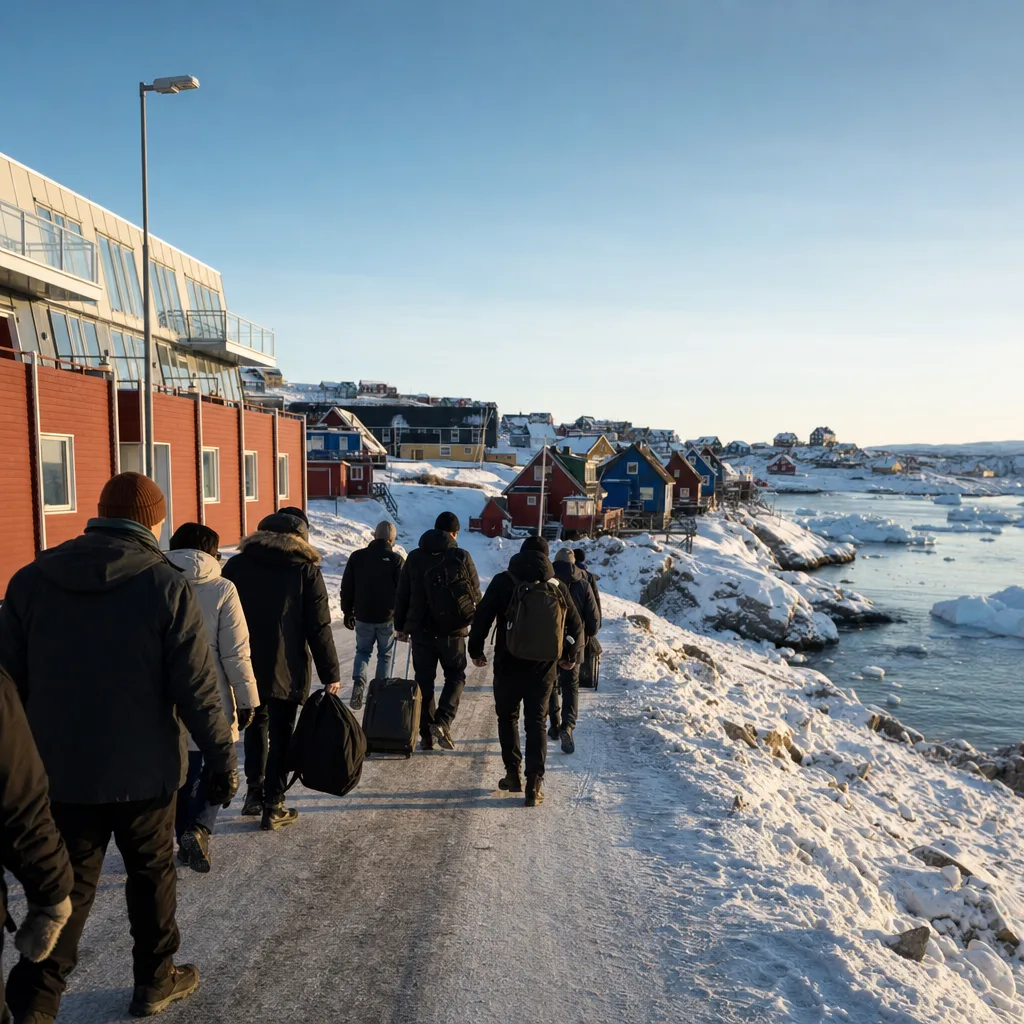
The difficult part of taking a job in Greenland is rarely the job itself – it’s everything around it: housing, logistics, taxes, distances, and expectations in a small community. Here is what most would have liked to know before moving.
The job market: who hires, and what does it mean for you?
Many positions are located in and around the public sector: The Self-Government, municipalities, and the Health Service. This often means more formalized employment conditions, clear agreements, and documentation requirements. At the same time, there are private employers in construction, operations, tourism, transport, trade, and consulting – especially in the larger cities and seasonal locations.
Nuuk has the most job types and the greatest turnover, while Sisimiut, Ilulissat, Aasiaat, and Qaqortoq typically have more concentrated labor markets where “everyone knows someone.” In smaller towns and settlements, there may be fewer positions, but also significant responsibility from day one, because the teams are small.
- Expect breadth: Many roles require you to solve more tasks than in a large Danish organization.
- Recruitment can go quickly: When a critical function is vacant, it often needs to be filled immediately – but the paperwork can take time.
- Check job postings carefully: Look for requirements for authorization, language, driver's license, travel conditions, and housing.
If you want to explore broadly, you can start by looking at all available positions in Greenland and get a sense of which profiles are being sought right now.
Housing and moving: what can determine if you thrive
Housing is one of the biggest practical challenges – especially in Nuuk, where demand is often high. Many newcomers come on recruitment terms with assigned or temporary housing, but the conditions vary greatly between employers and cities. Ask before you say yes: Is the housing furnished? What does it cost? What is included (internet, electricity/heat)? How long is the notice period? Can the family live with you?
Moving is also about timing. Transporting furniture and personal effects can be expensive and slow, and weather conditions can affect freight and travel. Many choose to start “light” with the essentials and only send the rest when everyday life is functioning. If you have a car in Denmark, don’t assume it makes sense to bring it – depending on the city, roads, and needs.
- Pack in layers: You get the most out of functional clothing that you can combine, rather than one “huge winter jacket for everything.”
- Remember the boring stuff: Medicine, glasses/contacts, and special items you rely on can be harder to obtain quickly.
- Plan internet/mobile: Inquire about coverage and options, especially outside the largest cities.
Taxes, finances, and contracts: get it sorted before the first paycheck
Taxes and deductions in Greenland can differ from what you know from home, and it’s important to clarify this early – especially if you come from Denmark and have finances across borders (e.g., housing, student loans, pensions, or family matters). Avoid guessing: read an updated overview and seek professional advice if your situation is complex.
Start here: Taxes in Greenland as a Dane: what you need to know.
You should read the contract with “Greenlandic glasses”:
- Travel: Who pays for arrival and departure travel? Does it also apply to family? How often can you travel home?
- Housing: Price, standard, commitment, and what happens if the employment ends.
- Overtime and availability: Especially in small teams, shifts, call-outs, or seasonal peaks can take up a lot of time.
- Probation and termination: Ask specifically what applies and what you are expected to deliver during the startup period.
Language, culture, and collaboration in small communities
Danish is used in many places, especially in parts of the administration and in many professional environments, but Greenlandic (kalaallisut) is prominent in everyday life and in contact with citizens, guests, and patients. In Nuuk, you often encounter more mixed language environments; in smaller towns, Greenlandic may be more dominant. You don’t need to be fluent to start in many positions, but you will get further with respect, curiosity, and a willingness to learn the most important phrases.
Work relationships are close. It is an advantage if you:
- communicate clearly about expectations and priorities
- are stable – even when plans change due to weather or logistics
- understand your role as a newcomer: listen first, suggest afterward
If you want a broad overview of conditions, industry types, and everyday realities, use the guide: working in Greenland as a supplement.
Everyday life: climate, darkness, distances – and why people stay
Greenland does not feel the same from town to town. Nuuk has the most urban life, cultural offerings, and daily flight connections. Ilulissat is characterized by tourism and seasonality, and nature is very close. Sisimiut has an active outdoor life and strong local communities. Qaqortoq has South Greenland's milder touch and a different rhythm. Aasiaat and several west coast towns have a more relaxed pace, where everyday life can be more community-oriented.
What surprises many is how much the weather governs planning. Flights can be canceled, deliveries delayed, and appointments rescheduled. It’s not “chaos,” but a different normal. The dark season and bright summer can also affect sleep and energy; good routines and light/hygiene for the circadian rhythm make a real difference.
In return, there are things that make people stay longer than planned: short distances to nature, strong collegial bonds, high trust in everyday life, and the feeling that your work matters – because you can see the effect up close.
Next steps: how to get started without burning yourself
- Choose a city with open eyes: Do you want a broad job market (typically Nuuk) or a more local environment (e.g., Sisimiut, Ilulissat, Qaqortoq, Aasiaat)?
- Clarify the terms in writing: housing, travel, shifts, startup, and what happens in case of illness or resignation.
- Get the paperwork in order: educational certificates, any authorization, criminal record if the position requires it.
- Talk to someone who knows the workplace: ask about team size, expectations, and everyday rhythm.
- Research the employer: see, for example, the overview of companies in Greenland.
When you are ready to find a concrete match, look at the current postings on HireMe.gl via the overview of available jobs and filter by city and field.