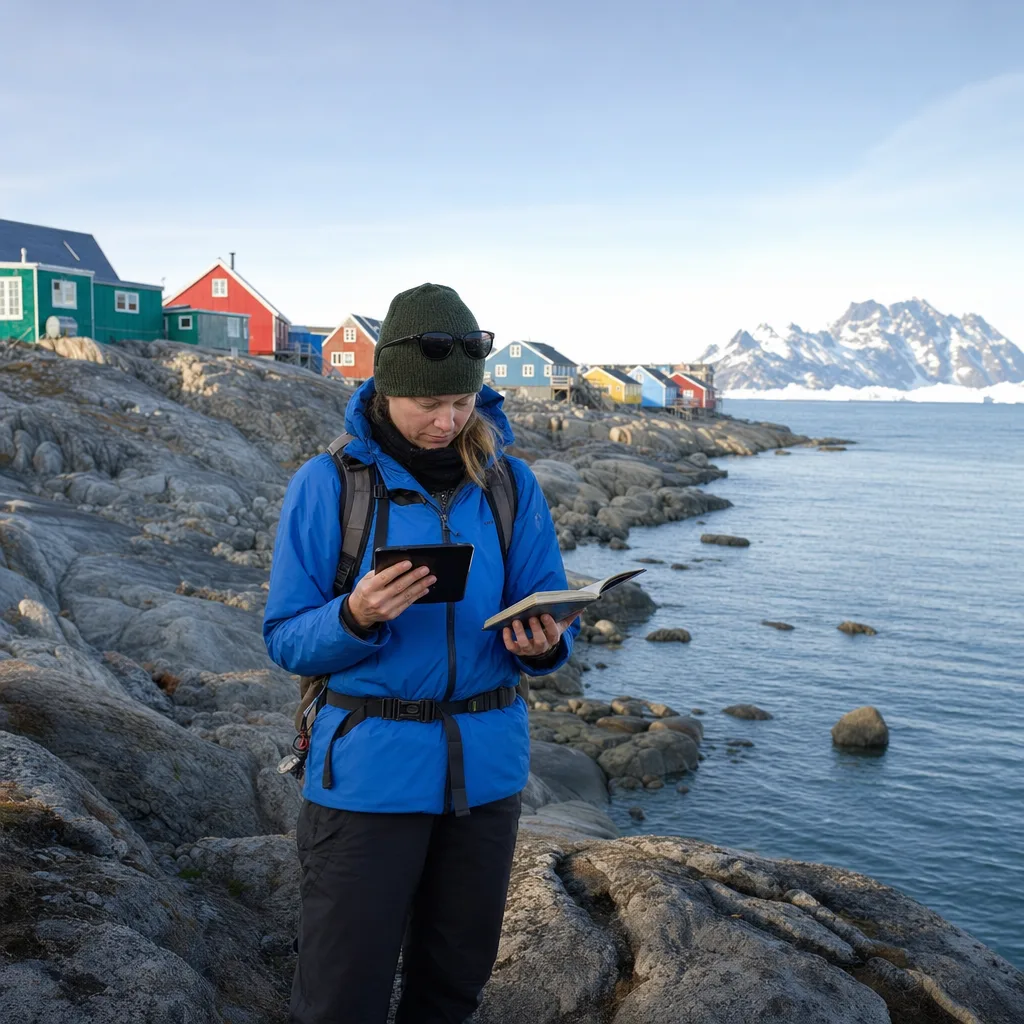

Background image for Working as a Researcher in Greenland: Everything You Need to Know

Working as a Researcher in Greenland: Everything You Need to Know

Share on:

Working as a researcher in Greenland: Everything you need to know

Working as a researcher in Greenland is a unique opportunity that combines scientific work with the chance to experience one of the world's most fascinating and remote natural areas. Greenland attracts researchers from around the world due to its unique geography, biodiversity, and cultural richness. In this article, we will delve into the various aspects of having a career as a researcher in Greenland, including job opportunities, salaries, daily life, cultural adaptation, and practical steps for application and relocation.

Greenland offers a range of research opportunities in fields such as climate research, geology, biology, and cultural studies, making it an attractive place for researchers looking to explore new frontiers in their field. We will also discuss the economic aspects, including researcher salaries in Greenland and financial benefits, as well as what it is like to live and work in a culture that differs significantly from the Danish.

The job market and career opportunities in Greenland

Greenland is known for its extensive scientific and research projects, providing opportunities for both recent graduates and experienced researchers. The job market in Greenland for research can be very different from what is known in Denmark, making it important to understand the local conditions and opportunities.

Current job market and demand

The Greenlandic job market in research is characterized by a growing interest in Arctic studies and climate change. This demand is partly due to global attention on environmental and climate changes, where Greenland plays a central role as a 'laboratory' for climate research. Specifically, Nuuk, the capital and center for many research activities, attracts a wealth of researcher job opportunities.

There is an increasing demand for specialists in geology, environmental research, and biological sciences. Many of these jobs require a combination of fieldwork and laboratory research, which can be an appealing challenge for researchers looking to push the boundaries of their knowledge and skills. Additionally, there are also opportunities in cultural studies and social sciences, where researchers can delve into the unique social structures and cultural traditions found in Greenland.

Qualifications and educational requirements

Working as a researcher in Greenland requires a relevant academic background and often specialized knowledge in the specific area one wishes to work in. Most research positions require a minimum education at the master's level, but a PhD is often preferred or required for more advanced research positions.

Necessary degrees and certifications

To obtain a position as a researcher in Greenland, it is important to have the right academic qualifications. A master's degree is often a minimum requirement, and many research positions in the natural sciences, engineering, and medicine will require a PhD. In some cases, experience and special certifications may also be necessary, especially when it comes to fieldwork in difficult and isolated areas.

It is also worth noting that many research projects in Greenland are funded by international sources, which may mean that experience working in international research collaborations or conducting projects with international funding can be an advantage. Additionally, it may be beneficial to have knowledge of research ethics and regulations, which can vary from country to country.

Language requirements and experience

Although research work typically takes place in English, there may be requirements to communicate in Danish or Greenlandic, depending on the nature and location of the project. Being able to speak local languages can be an advantage in terms of integration and daily communication with local partners and community members.

Experience in specific research methods relevant to Arctic environments can also be a significant advantage. This may include experience with data collection in extreme weather conditions, use of satellite data, or expertise in specific laboratory techniques.

Specializations and career development

Greenland offers a range of specialization opportunities in various research areas. Many researchers start their careers in Greenland by participating in a specific project, but there are also opportunities to develop in research management or specialize further in a niche area.

Researchers with experience and expertise in specific areas can find career opportunities in consulting firms or as consultants in international environments. Additionally, there are opportunities to participate in cross-disciplinary projects, which can strengthen one's professional network and lead to new career opportunities both in and outside of Greenland.

Salary, benefits, and economic conditions

When considering working as a researcher in Greenland, it is also important to understand the economic aspects associated with a research job in this unique environment. Salary structures can vary depending on experience, education level, and the specific research organization one works for.

Salaries and salary ranges

Salaries for researchers in Greenland can vary significantly depending on qualifications, experience, and workplace. Generally, researcher salaries in Greenland are competitive compared to salaries in Denmark, especially when considering the lower income tax in Greenland.

Base salary and experience

The base salary for a researcher in Greenland can start from around 400,000 DKK per year for recent graduates and can rise to over 650,000 DKK per year for experienced researchers with several years of experience and a PhD in a relevant field. Additionally, experience with fieldwork in Arctic conditions or specialized knowledge in certain research areas can lead to higher compensation.

Compared to Denmark, Greenland can offer a lower personal income tax, meaning that researchers can often retain a larger portion of their income. This can make a research career in Greenland financially attractive, especially for those at the beginning of their careers who wish to build a solid financial base.

Allowances and bonuses

In addition to the base salary, there may be various forms of allowances and bonuses available for researchers in Greenland. Many research projects, especially those requiring long-term fieldwork in isolated areas, offer salary supplements as compensation for the challenges associated with the work. Additionally, there may be allowances for overtime and performance-based bonuses, which can significantly increase overall income.

There are also geographical allowances for those working in particularly remote or difficult areas, which can be up to 10-15% of the base salary. These allowances are designed to compensate for the extra costs and challenges of working and living in less accessible parts of Greenland.

Tax conditions and economic benefits

Greenland has a separate tax scheme that is often more favorable than the Danish one. The tax system in Greenland is progressive but with lower tax rates, meaning that researchers can retain a larger percentage of their income.

There are also various economic benefits, such as lower housing costs in some areas and subsidies for transportation and relocation, which can make it financially advantageous to take a research job in Greenland. For those employed in public or larger research organizations, there may be access to pensions and health benefits, which are important components of a long-term financial plan.

Cost of living and savings

Although Greenland can offer competitive salaries, it is important to consider the local cost of living, which can be higher than in Denmark, especially for imported goods.

Housing costs and daily expenses

Housing costs can vary depending on location. In cities like Nuuk, rent can be relatively high, while smaller towns and settlements often offer cheaper housing options. Daily expenses such as food and groceries can also be slightly higher due to import costs.

Savings opportunities

Despite the higher cost of living, the lower tax rate in Greenland can provide good opportunities for savings. Many researchers find that they can save a significant portion of their income, especially if they are able to navigate the local markets and take advantage of any subsidies or benefits that come with their positions.

Daily life and living in Greenland

Life as a researcher in Greenland differs from the typical researcher experience in Denmark. Daily life is characterized by the unique geographical and cultural conditions found in the Arctic, which can be both challenging and rewarding. Working conditions, housing, and social life are all factors that affect the overall quality of life for those who choose to work here.

Working conditions and work environment

The working conditions in Greenland can vary depending on the specific workplace and research project, but generally, there is a strong focus on creating a healthy and safe work environment.

Working hours and structure

Research projects in Greenland can have flexible working hours, especially for those involved in fieldwork. It is not uncommon for researchers to work varying hours depending on project requirements and the extreme weather conditions that can affect schedules. Many researchers appreciate this flexibility as it allows them to plan work around the best weather conditions and effectively utilize time in the field.

Workplace culture and colleagues

The work culture in Greenland is often characterized by a strong sense of community and close collaboration among colleagues. Researchers often work in small teams where cooperation and communication are key to successful projects. This creates an environment where colleagues often become close friends, and there is significant support for each other, both professionally and personally.

Housing and infrastructure

The housing situation in Greenland can vary greatly depending on where you are located. Nuuk, as the largest city, offers several modern housing options, while smaller towns and settlements may have more limited choices.

Housing options

In larger cities like Nuuk, there are often larger apartment complexes and modern facilities available for researchers. Those seeking a more traditional experience may find houses in smaller settlements, where the lifestyle is more focused on the local community. It can be advantageous to arrive in Greenland some time before the start date to secure the best housing option, and many employers offer assistance and advice in this process.

Transportation and facilities

Transportation in Greenland is quite limited by geographical conditions. Most transport occurs by air between the larger cities, while boats and snowmobiles are often used to get around in more remote areas. Public transport is limited, especially outside Nuuk, so many researchers choose to live close to their workplace to minimize commuting time.

Family and social life

Life in Greenland offers a unique social experience with a strong community and many opportunities for recreational activities.

Childcare and schools

For families moving to Greenland, there are available childcare options and schools in the larger cities. The Greenlandic school system resembles the Danish one, making it easier for children to adapt. Additionally, there are many activities and recreational opportunities for children that promote social interactions in the local community.

Recreational activities and community life

Greenland offers a wealth of recreational activities, from hiking in the beautiful mountains to kayaking among icebergs. There is also an active cultural life with local festivals, art exhibitions, and music events that provide ample opportunity to integrate into the local community and experience Greenlandic culture up close.

Language, culture, and integration

Living and working in Greenland requires a certain degree of cultural adaptation and linguistic understanding, as the languages and culture can be very different from what one is used to in Denmark.

Linguistic conditions

Greenland is part of the Kingdom of Denmark, and both Danish and Greenlandic are official languages. This can influence both daily life and working conditions.

Danish, Greenlandic, and English

While many Greenlandic residents speak Danish, there is also a large portion of the population that primarily speaks Greenlandic. English is often used in research, especially in international projects. It can be beneficial to learn some basic phrases in Greenlandic to better communicate with the local population and show respect for their culture.

Language courses and learning

There are language courses available for those who wish to learn Greenlandic, and some employers offer support for language training as part of their employment package. This can be an excellent way to improve language skills while gaining a deeper understanding of Greenlandic culture and society.

Cultural understanding and adaptation

Adapting to a new culture can take time, but it can also be a rewarding experience that allows for personal and professional growth.

Greenlandic traditions and customs

Greenland has a rich cultural heritage that includes ancient traditions and customs. This may include traditional ceremonies, local festivals, and handicrafts. Participating in local events is a good way to learn about and cherish these traditions and can help build relationships with the local community.

Cultural differences

There are naturally cultural differences between Denmark and Greenland, including differences in social norms and communication styles. For example, the local lifestyle may be more relaxed and less formal, requiring flexibility and openness. Being aware of and respectful towards these differences can help ease integration into Greenlandic society.

Climate, nature, and quality of life

Greenland is known for its spectacular nature and extreme climate, which has a significant impact on daily life and the quality of life for those living there.

The climate and seasons

The climate in Greenland is cold and Arctic, but also varied depending on the season and location.

Weather conditions and temperatures

Temperatures in Greenland can range from mild summer days, especially in the southern regions, to very cold winter months with extreme temperatures in the interior and northern areas. It is important to be prepared for all kinds of weather conditions and have appropriate clothing for both work and leisure.

Polar night and midnight sun

The Arctic location means that Greenland experiences extreme light conditions with long periods of darkness in winter (polar night) and constant daylight in summer (midnight sun). These conditions can affect sleep patterns and mood, but many find strategies to adapt, such as using light therapy or scheduling social activities to stay active and engaged.

Nature and recreational opportunities

Greenland's magnificent nature offers a wide range of outdoor activities and recreational opportunities that can enhance quality of life and provide a break from daily work.

Whether you are interested in exploring ice lagoons, hiking through majestic mountains, or observing unique wildlife, there is something for everyone. Researchers can take advantage of these opportunities in their free time and gain a deeper understanding of the natural processes they study.

Application and practical steps

Applying for a research job in Greenland requires preparation and knowledge of the practical steps involved in relocating to a new culture and workplace.

Job search and application process

Finding a job in Greenland can be challenging, but there are several strategies that can help make the process easier.

How to find jobs

To find research jobs in Greenland, one can utilize online job portals specializing in Greenlandic job opportunities, contact research institutions directly, or network through academic conferences and professional associations. It is also a good idea to collaborate with recruitment agencies that are familiar with the Greenlandic job market.

Application and CV

When applying for positions, it is important to have an updated and relevant CV that highlights one's research experiences and qualifications. Applications should be tailored to focus on the specific requirements and expectations associated with the position. Interviews can vary from traditional conversations to more informal discussions depending on the hiring organization.

Relocation and practical preparations

Once you have received a job offer, the next step is to prepare for the move and the practical aspects of starting a new life in Greenland.

Work permit and visa

Depending on your nationality, it may be necessary to apply for a work permit or visa to work in Greenland. It is important to begin this process early, as processing times can vary. Having all necessary documents ready, such as proof of employment and any certifications, can facilitate the process.

Relocation assistance and onboarding

Many employers in Greenland offer support for new employees, including assistance with relocation, housing, and integration into the local community. Taking advantage of this support can ease the transition and help ensure a smooth start in your new job. It is also a good idea to reach out to other researchers who are already working in Greenland for advice and tips about life in the Arctic.

Conclusion

Working as a researcher in Greenland can be an extremely rewarding experience that combines professional development with personal growth. The unique opportunity to work in one of the world's most fascinating environments, contribute to important research, and experience a rich culture is a chance that can have a lasting impact on one's career and life.

If you are considering a career as a researcher in Greenland, it is important to prepare thoroughly, understand the local economic and cultural conditions, and be open to the challenges and adventures that come with life in the Arctic. By taking these steps, you can ensure that you are well-equipped to succeed in your research job in Greenland.

By HireMe.gl

27 / 04 / 2026

Read also

Background mountains

Sign up for our newsletter

Become part of the labor market of the future and stand out from the crowd by signing up for our newsletter at hireme.gl. We make sure to keep you informed about the most exciting job openings and help you find your dream job before other candidates get the chance.

...