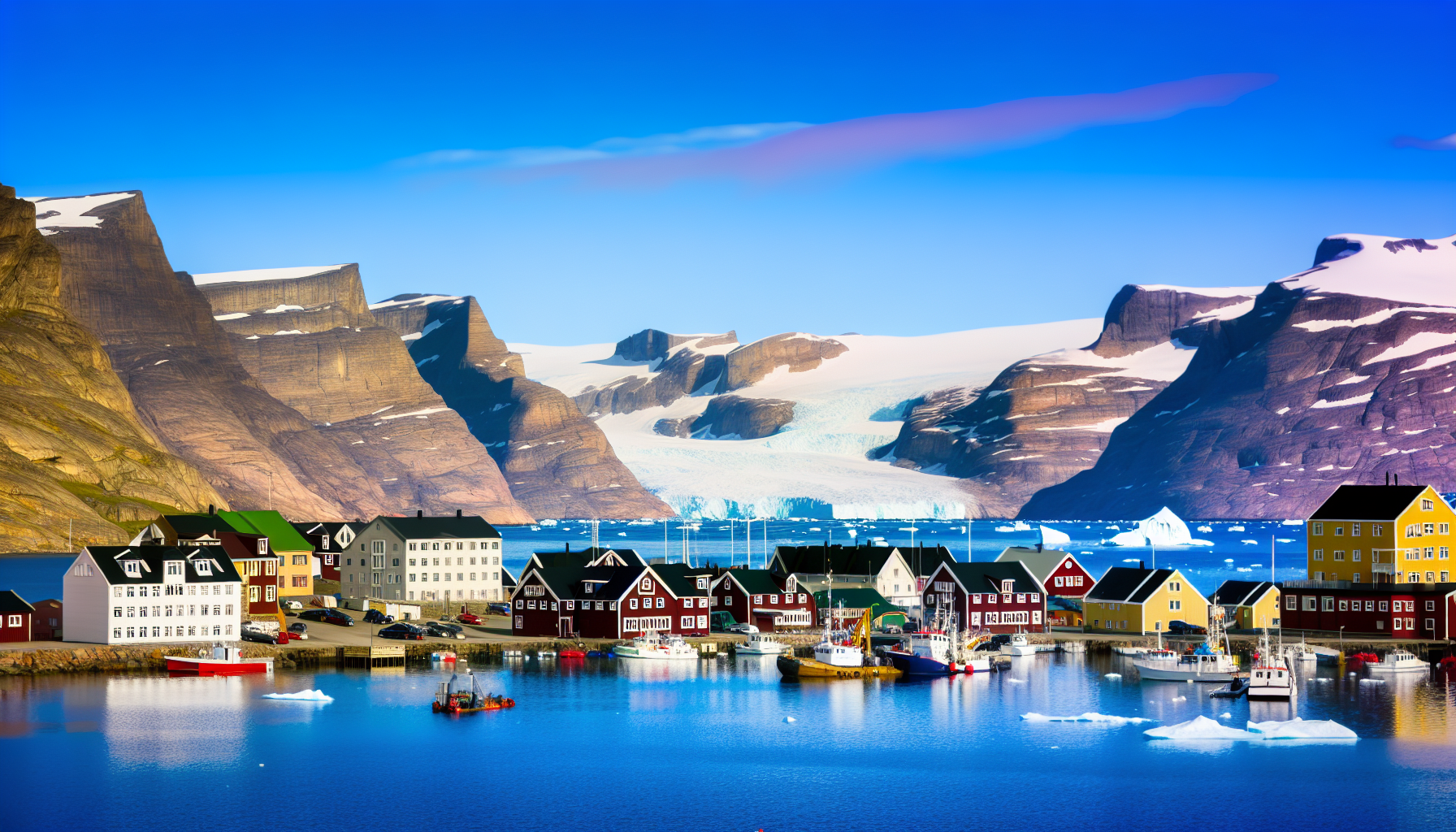

Working as a leader in Kujalleq: A comprehensive guide
Considering a leadership role in Kujalleq, Greenland, can be an exciting opportunity for those seeking a unique management career in a remarkably different geographical and cultural context. Kujalleq is the southernmost region of Greenland, known for its beautiful nature and small, but tightly-knit communities. This article will provide an in-depth understanding of what it entails to take a leadership position in Kujalleq, including the job market, salary structures, cultural adaptation, and the practical steps to get started.
In this guide, we will cover a range of topics that are essential for anyone considering working as a leader in Kujalleq. We will look at the job market and what career opportunities exist in the region, salary and economic conditions, daily life and social aspects, language and cultural integration, as well as climate and living conditions. By the end of this article, you will have a clearer understanding of the unique opportunities and challenges that come with a leadership position in this part of Greenland.
The job market and career opportunities in Greenland
The job market in Greenland, especially in the Kujalleq region, is characterized by unique conditions that differ significantly from what one typically experiences in Denmark. With a population of around 7,000 people across the municipality, there is a close interplay between local businesses, municipal services, and natural resources. This creates a dynamic, yet challenging labor market structure, where management jobs in Kujalleq can be both rewarding and demanding.
Current job market and demand
When looking at the current job market in Kujalleq, it is worth noting that many of the available leadership positions are found within public services, including education, healthcare, and municipal administration. There are also opportunities in the fishing and tourism industries, which are important economic drivers in the region. The demand for competent leaders is present, but it often requires being willing to take on multiple roles and responsibilities, as resources can be limited.
In recent years, there has been an increasing interest in sustainable development projects and green technology, which is creating new job opportunities within these sectors. If you are considering working as a leader in Kujalleq, it may be worth exploring such areas, as they offer exciting opportunities for innovation and growth.
Qualifications and educational requirements
It is crucial to understand the qualifications and educational requirements necessary to secure a leadership position in Kujalleq. Generally, a solid educational background combined with practical experience in the specific sector you wish to work in is required. Many positions will require a bachelor's or master's degree, depending on the complexity of the role and the specific requirements of the sector.
Necessary degrees and certifications
When it comes to formal educational requirements, it is important to have a relevant education in the area you seek to lead. For example, a leadership position in the healthcare sector typically requires a medical or health-related background, while a position in municipal administration may require a background in public administration or economics. Additionally, specific certifications may be necessary, especially in technical or specialized areas.
Certifications in management and project management can also be an advantage, as they demonstrate that you have the necessary skills to lead teams and manage complex projects. For many, it is also important to have experience with Greenlandic legislation and local regulations, which may require additional education or training.
Language requirements and experience
Greenland is a multilingual society where both Greenlandic and Danish are widely used, and English plays an important role in international communication. When working in Kujalleq, you will likely need to be able to communicate effectively in Danish as well as have a basic understanding of Greenlandic. Many workplaces offer language courses as part of their onboarding processes to help new employees adapt.
Experience is also a significant factor when it comes to leadership roles in Kujalleq. Employers often seek candidates with several years of experience in a similar position, especially if it involves working with small communities or in complex, culturally diverse environments. Demonstrating a history of successful leadership and team development can be a critical factor in the hiring process.
Specializations and career development
For those seeking to work as a leader in Kujalleq, there are several opportunities for specialization and career development. Despite the region's small size, there are many areas where one can choose to focus their career and develop specific skills that can be beneficial both locally and internationally.
Career development can also come from participation in cross-sector projects that require collaboration across traditional disciplines. These projects can include everything from sustainable development to cultural preservation projects that require a deep understanding of both local and global dynamics.
Additionally, opportunities for further education and professional development can be found through collaboration with Greenlandic and international institutions that offer courses and workshops aimed at a wide range of topics within management and innovation.
Salary, benefits, and economic conditions
When considering a leadership position in Kujalleq, it is important to understand the economic terms that come with such a decision. Salaries in Greenland can vary significantly depending on the sector, experience, and the specific role, but there are also significant economic benefits and challenges worth considering.
Salaries and salary ranges
The salary structure for leaders in Kujalleq is often competitive compared to other regions in Greenland, but it is important to have a realistic expectation of the base salary that may be offered. This will typically depend on your experience and qualifications as well as the specific requirements of the position.
Base salary and experience
The base salary for leaders in Kujalleq often varies depending on the sector and experience. A leader with many years of experience can typically expect a higher starting salary, especially if they come with a strong background in their field. Compared to Denmark, the salary may seem lower, but it is important to take into account the different living costs and tax benefits that exist in Greenland.
It is also worth noting that salaries in Greenland often include special allowances based on both geographical location and specific job challenges. These allowances can compensate for the higher living costs in the region and make a leadership position financially attractive.
Allowances and bonuses
In addition to the base salary, there is often the opportunity to receive allowances and bonuses that can enhance your overall compensation. These can include overtime pay, benefits for working under difficult conditions, or performance-based incentives. Location allowances are also common in Kujalleq, as they compensate for the geographical isolation and the unique living conditions experienced in the area.
Bonuses for achieved results can be part of the package, especially in roles where there are clear goals and objectives to be met. This can be particularly relevant in project management and administrative roles, where efficiency and successful outcomes are essential.
Tax conditions and economic benefits
Greenland's tax system is different from the Danish and offers certain benefits that can make it attractive to work in the region. Taxes are generally lower, and there is the opportunity to take advantage of a range of deductions and allowances, especially for those relocating from abroad.
The economic benefits also include access to social services and support from both local and national governments. This can include everything from healthcare services to pension savings, which can benefit both you and your family.
Living costs and savings
When considering a move to Kujalleq, it is crucial to have a clear understanding of the local living costs. Although salary levels are competitive, the costs of living in Greenland can be higher than in Denmark, especially when it comes to imported goods and transportation.
Housing costs and daily expenses
Housing is one of the largest expenses for many living in Kujalleq. While rental and property prices can vary, they are often more expensive than in other parts of Greenland due to the limited availability of housing. This may require being flexible regarding housing options and willing to consider alternative accommodation solutions.
Daily expenses such as groceries, electricity, and heating can also be higher, as many goods are imported from Denmark or elsewhere. It is important to be aware of these expenses when planning your finances in Greenland.
Savings opportunities
Despite the higher living costs, there are still opportunities for saving in Kujalleq. A strategic approach to budgeting and planning can help maximize your savings capacity and ensure financial stability. This may include utilizing local banking services, investing in local projects, or participating in pension and savings schemes.
By understanding the economic realities and planning accordingly, you can take advantage of opportunities for both personal and professional growth in Kujalleq.
Daily life and living in Greenland
Living and working in Kujalleq involves adapting to a daily life that differs significantly from what many are used to in Denmark. Life in Greenland is characterized by a close connection to nature and a focus on community life and human relationships. For many, it is an opportunity to experience a lifestyle where work and leisure are balanced.
Working conditions and work environment
The working conditions in Kujalleq reflect a combination of traditional Greenlandic values and modern work methods. There is a strong focus on flexibility and an understanding of the unique challenges that life in Greenland can present.
Working hours and structure
Working hours in Kujalleq can vary depending on the industry, but there is often a certain flexibility built into the work structure. Many workplaces operate with an understanding of the need for balance between work and personal life, which can mean more flexible working hours and the possibility of organizing work according to personal preferences and family needs.
It is common to work in blocks, where one has longer periods of intensive work followed by periods of a slower pace. This approach can result in a more harmonious balance between work and leisure, which is important in a community where nature plays a central role in daily life.
Workplace culture and colleagues
The workplace culture in Kujalleq is often characterized by an informal atmosphere and a strong sense of community. Colleagues work closely together, and there is an expectation that everyone contributes to the overall success. This collective approach can be a strength, especially in complex or demanding projects.
Collaboration and communication are key to success, and there is often an open dialogue among employees and leaders. This allows for quick problem-solving and fosters a work environment where everyone feels valued and heard.
Housing and infrastructure
When it comes to housing and infrastructure, Kujalleq is a region with both challenges and opportunities. The availability of modern facilities can be limited, but there is a strong willingness to build and maintain important infrastructures that support the needs of residents.
Housing options
Housing options in Kujalleq can vary significantly, depending on your preference for location and type of housing. While some choose to live in apartments close to the city center, others prefer more remote housing that offers a fantastic view of the Greenlandic nature.
It can be a challenge to find housing that meets one's needs, but there is often help available from the workplace or local networks. It may also be a good idea to check municipal websites for information about available housing and housing projects.
Transportation and facilities
Transportation options in Kujalleq are limited compared to larger cities, but there are options for both local and regional transport. Most towns and settlements are connected by boat or plane, and there are local bus connections within the larger settlements.
For those living in more remote areas, private transportation may be necessary. This can include snowmobiles in winter or boats in summer. It is important to plan transportation needs in relation to both work and leisure, as weather can affect availability.
Family and social life
Family life in Kujalleq is often characterized by strong bonds and a close connection to the local community. This creates a supportive environment for both children and adults, and there are many social activities and events to participate in.
Childcare and schools
Kujalleq offers a range of options for childcare and schooling that are adapted to local conditions. There are both municipal and private childcare options, and schools generally have smaller classes, which allows for more personalized and focused teaching.
It is important to be aware that education in Greenland often takes place in both Danish and Greenlandic, which may require extra support for children who are not familiar with both languages. Many schools offer additional resources and support to ensure that all children receive the best possible education.
Leisure activities and community life
Leisure activities in Kujalleq are often closely connected to nature, and there are many opportunities for both indoor and outdoor activities. This can include everything from sports and music to cultural events and social gatherings.
The local community is very active, and there are often social events and festivals that bring people together. This creates a strong sense of community and makes it easier for newcomers to integrate and form new relationships.
Language, culture, and integration
When considering working as a leader in Kujalleq, cultural understanding and linguistic integration are crucial for success. Greenland has a rich cultural heritage and a unique language structure that is important to understand and respect.
Linguistic conditions
The language barrier can be one of the biggest challenges for those moving to Greenland, but it is also an opportunity for personal growth and cultural understanding. Danish and Greenlandic are the two main languages in the region, and both are used in many aspects of daily life.
Danish, Greenlandic, and English
Danish is one of the official languages in Greenland and is often used in public administration and education. Greenlandic, on the other hand, is the official language and is spoken by the majority of the population. It is important to have a basic understanding of both languages to function effectively in the work environment.
English is also increasingly used, especially in the tourism industry and in international contexts. It is an advantage to be able to communicate in all three languages, but it is not a necessity for achieving success in many leadership positions.
Language courses and learning
For those who are not fluent in Greenlandic, it may be beneficial to take language courses to improve their communication skills. Many employers offer support for language learning as part of their employee programs, and there are also local language schools that offer courses at various levels.
Learning Greenlandic can open doors to a better understanding of the local culture and community, which is an advantage in any leadership position. This can also help build stronger relationships with colleagues and the local community.
Cultural understanding and adaptation
Cultural understanding is an important part of integration in Kujalleq, and it is important to be aware of local traditions and customs to ensure a successful adaptation.
Greenlandic traditions and customs
Greenland has a rich traditional culture that still plays a significant role in daily life. This can include everything from crafts and art to traditional festivals and ceremonies. Participating in local events and learning about these customs can be a valuable experience and help build strong relationships in the community.
Traditions such as kaffemik (a social gathering) and qajaq (kayaking) are deeply rooted in Greenlandic culture. By participating in these activities, one can gain a deeper connection to the people and culture one is surrounded by.
Cultural differences
There are naturally cultural differences between Greenland and Denmark that may require adaptation. These can include differences in communication style, decision-making processes, or work pace. It is important to approach these differences with openness and respect to successfully integrate.
Being aware of these differences and adapting where necessary can lead to a more harmonious work experience and strengthen relationships both in and outside the workplace.
Climate, nature, and quality of life
Greenland is known for its spectacular nature and extreme climate conditions, which can have a significant impact on life in Kujalleq. For many, these conditions are part of the attraction of living and working in the region, but they also require a certain adaptation.
The climate and seasons
Understanding the climate in Kujalleq is crucial for anyone considering moving to the region. The climate can be harsh, with cold temperatures in winter and mild summers, but it is also part of the unique beauty that characterizes the area.
Weather conditions and temperatures
The weather conditions in Kujalleq can vary significantly from season to season. Winter is long and cold, with temperatures often falling well below freezing. It is important to be prepared for these conditions with appropriate clothing and equipment.
In summer, temperatures can become milder, and the days get longer, providing fantastic opportunities to enjoy nature. It is a time when many activities take place outdoors, and it is possible to experience the region's stunning landscapes.
Polar night and midnight sun
Greenland also experiences extreme light conditions, with polar nights in winter when the sun barely rises above the horizon, and midnight sun in summer when the sun never sets. These conditions can affect both physical and mental well-being and require adaptation.
The polar night can be challenging, but it is also a time to appreciate cozy indoor activities and gatherings with family and friends. The midnight sun, on the other hand, offers long days of activities that can be enjoyed in the fresh air.
Nature and recreational opportunities
Greenland's nature is one of the country's greatest assets, and there are countless opportunities to enjoy outdoor life in Kujalleq. From hiking and kayaking to hunting and fishing, there is something for everyone.
The region is known for its spectacular coastline, fjords, and mountains, all of which offer fantastic opportunities for outdoor adventures. There are also opportunities to see the unique Greenlandic wildlife, including whales, musk oxen, and seals.
For those who love nature, Kujalleq is a treasure trove of experiences waiting to be explored, and an opportunity to enjoy a quality of life that is closely connected to the natural environment.
Application and practical steps
Taking the step towards working as a leader in Kujalleq requires some preparation and understanding of the practical steps involved. From job searching to relocation, there are many factors to consider to ensure a smooth transition.
Job searching and application process
The first step in securing a leadership position in Kujalleq is to understand the job search process and what resources are available to find relevant job opportunities.
How to find jobs
There are several ways to find available jobs in Kujalleq, including using online job portals and networking opportunities. Many employers in Greenland post positions on job databases where you can find a wide range of job opportunities across various sectors.
Networking is also an important part of the job search in Greenland. Building professional connections through networking events or direct contacts with employers can be crucial for discovering hidden job opportunities.
Application and CV
Once you have found a position that interests you, it is important to prepare an application and CV that stand out. Your CV should clearly highlight your qualifications, experience, and relevant skills for the position. It is important to tailor your CV and application to the specific job description and the employer's requirements.
The interview process may also require preparation, where it is important to understand the company's values and goals as well as to demonstrate your understanding of the cultural and operational aspects of leadership in Kujalleq.
Relocation and practical preparations
Moving to Kujalleq involves a number of practical considerations and preparations. It is important to ensure that all necessary documents and permits are in place and to plan the move itself thoroughly.
Work permit and visa
For those moving to Greenland from abroad, it may be necessary to obtain a work permit or visa. The process can vary depending on your nationality and the specific position you are applying for. It is important to check the applicable regulations and ensure that all necessary documents are up to date.
Moving assistance and onboarding
Many employers in Kujalleq offer moving assistance and onboarding programs to ease the transition for new employees. This can include help with housing, introduction to the local community, and practical support to ensure that you can quickly adapt to your new environment.
Preparing thoroughly and utilizing the available resources can make the move to Kujalleq a positive and enriching experience.
Conclusion
Working as a leader in Kujalleq can be a rewarding and different experience that offers unique challenges and opportunities. From a diverse job market and economic conditions to a rich cultural experience and outstanding nature, there are many aspects to consider when deciding to take this career path.
This guide has provided a thorough overview of what it takes to work as a leader in Kujalleq, including the necessary qualifications, salary expectations, daily life, and cultural integration. By preparing thoroughly and understanding the local conditions, you can maximize your chances of success and a fulfilling career in Greenland.
If you are considering taking the step towards a leadership position in Kujalleq, it is important to be open to new experiences and ready to adapt to the unique conditions of the region. With the right approach, you can find reward in working in one of the world's most remarkable environments.
By HireMe.gl
31 / 01 / 2026