
Work as a chemist, chemical engineer, resource extraction in Qeqqata
Working as a chemist, chemical engineer, or in resource extraction in the Qeqqata region of Greenland is an opportunity that attracts many professionals from both Denmark and other parts of the world. With an increasing interest in Greenland's rich resources and a growing economy, there are a wealth of opportunities for those looking to pursue a career in these fields. In this article, we will delve into the many aspects of working and living in Qeqqata, from job opportunities and salaries to cultural adaptation and the practicalities of daily life.
The job market and career opportunities in Greenland
Greenland offers a unique and dynamic job scene, especially in areas such as chemistry and resource extraction. The country's natural resources are unparalleled, and there is a growing global interest in utilizing these in a sustainable manner. If you are considering working as a chemist or chemical engineer in Qeqqata, it is important to understand the current trends and demands in the job market.
Current job market and demand
The job market in Greenland, especially in Qeqqata, is constantly evolving. Traditional industries such as fishing and hunting are still important, but there is a growing demand for technical expertise in areas such as chemistry and resource extraction. Particularly, the extraction of minerals and oil has seen an increase in investments, creating a need for qualified professionals to lead and develop projects.
If you are looking for a job as a chemical engineer or chemist in Qeqqata, you will find that companies often seek candidates with experience in project management, sustainable extraction, and the application of advanced technologies. There is a strong emphasis on implementing environmentally conscious methods, which means that experience with green technology can be a significant advantage.
Moreover, there is also a growing demand for innovation in the processing of raw materials and waste management. Greenland is in the process of strengthening its capacity in these areas, which means that creative and innovative solutions are highly valued. If you have experience in optimizing processes and reducing environmental impact, this could become a key factor for your success in the market.
Qualifications and educational requirements
Securing a position as a chemist or chemical engineer in Qeqqata typically requires a solid educational background combined with practical experience. Greenland sets high standards for professional competencies, especially when it comes to technical and environmental aspects.
Necessary education and certifications
To work as a chemist or chemical engineer in Greenland, a relevant university degree is a prerequisite. Many employers look for candidates with a bachelor's or master's degree in chemistry, chemical engineering, or a similar discipline. Certifications in specific technical skills can also be an advantage, especially if they are internationally recognized.
Additionally, further education focusing on sustainability and environmental management can be a significant benefit. Greenland prioritizes sustainable development, and employers often value candidates who have a deeper understanding of how to minimize environmental impact in extraction and production.
Language requirements and experience
Language can be a barrier or a bridge, depending on the situation. In Greenland, both Danish and Greenlandic are official languages. For many positions in chemistry and resource extraction, especially those involving international communication, good English skills are also often necessary. Being able to communicate effectively in all three languages can significantly enhance your job prospects.
Experience also plays a central role. Employers often look for candidates with practical experience from similar industrial projects, either in Greenland or internationally. This can include everything from laboratory research and fieldwork to managing larger industrial projects.
Specializations and career development
A career as a chemist or chemical engineer in Qeqqata offers many opportunities for specialization and career development. With the right qualifications and experiences, you may find yourself in a role where you contribute to significant innovations in the field.
Greenland is also a place where there are ample opportunities to take leadership in projects in innovative ways. If you have an ambition to work your way up to leadership roles, the unique challenges and opportunities in Qeqqata can provide you with the necessary experience to accelerate your career.
Salary, benefits, and economic conditions
One of the most important considerations for those contemplating moving to Greenland for work is the economic aspects, including salaries, tax conditions, and living costs. It is essential to understand how these elements play into daily life in order to make an informed decision about working as a chemist or chemical engineer in Qeqqata.
Salaries and salary ranges
In Greenland, salaries can vary significantly depending on experience, qualifications, and job type. Working as a chemical engineer or chemist in Qeqqata can be financially advantageous, but it is important to know the factors that affect the salary structure.
Base salary and experience
The base salary for chemical engineers and chemists in Greenland is generally above average compared to many other professions. A chemical engineer with several years of experience can expect a competitive salary, often in line with international standards, and sometimes higher, depending on demand and specialization.
However, beginners in the field can expect a slightly lower starting salary, but with clear paths for salary increases as experience and additional qualifications are gained. It is also worth noting that employers in Greenland often offer attractive salary packages, including bonuses and benefits, to attract and retain talented employees.
Allowances and bonuses
In addition to the base salary, there are several allowances and bonuses that can enhance your overall compensation. This can include allowances for working under difficult climatic conditions, location allowances for work in more remote areas, as well as performance-based bonuses. Many employers also offer comprehensive insurance packages and pension plans as part of the employment offer.
Tax conditions and economic benefits
Greenland has its own tax system, which differs from the Danish one. It is important to understand these differences to maximize your financial benefits and ensure proper budgeting.
Tax rates in Greenland can vary depending on income levels, but one advantage is often that they can be lower than in Denmark, leaving more in net income. Additionally, there are often opportunities for tax deductions for expenses related to housing and travel, which can further increase your disposable income.
Living costs and savings
The cost of living in Greenland, especially in Qeqqata, can be higher than in many parts of Denmark. Therefore, it is crucial to take these into account when planning a financial life in Greenland.
Housing costs and daily expenses
Housing costs in Qeqqata can vary depending on whether you live in a larger city or a smaller community. Generally, housing costs are relatively high due to limited availability and high demand. It may therefore be necessary to budget carefully to ensure that you get the most out of your income.
Daily expenses such as food, transportation, and entertainment can also be higher than in Denmark, but many find that they experience a quality of life that compensates for this. It is important to be aware of these differences and plan accordingly.
Savings opportunities
Despite the high cost of living, there can still be good opportunities for saving in Greenland. Many find ways to save by participating in local activities, taking advantage of nature, and engaging with the community. By developing strong budgeting habits and leveraging the economic benefits of the tax system, you can create a solid financial future.
Daily life and living in Greenland
Working and living in Greenland is a unique experience that offers a different lifestyle and a range of opportunities for personal and professional growth. For those considering working as a chemist, chemical engineer, or in resource extraction in Qeqqata, it is important to understand how daily life functions and what to expect in this captivating region.
Working conditions and work environment
The working conditions in Greenland can vary significantly depending on the industry and location, but there are certain commonalities that characterize the work experience in Qeqqata.
Working hours and structure
Working hours in Greenland can be somewhat different compared to many other places. In resource extraction, some projects may require longer working hours during periods, often with a rotation of work and leisure periods. This can mean working intensively for some weeks, followed by a longer period of time off.
A typical work week for a chemist or chemical engineer can vary, but flexibility and the ability to adapt to changing conditions are often key to success. Employers in Greenland are generally aware of maintaining a healthy work-life balance, which is central to job satisfaction and productivity.
Workplace culture and colleagues
The workplace culture in Greenland is often characterized by a strong sense of community and collaboration. Culturally, open communication and collective decision-making are valued, which can be a positive change for many coming from a more hierarchical work structure. Collegial support and close collaboration are essential, especially in the often demanding environments where many work.
It may take time to adapt to this new culture, but those who succeed often find great satisfaction in the close bonds that are created in the workplace.
Housing and infrastructure
Finding the right housing and understanding the local infrastructure is crucial for a successful transition to life in Qeqqata.
Housing options
Housing options in Qeqqata can be limited, so it is important to start the search early. There are both rental properties and options to buy, but availability can vary greatly. Many employers assist in finding suitable housing as part of the employment, which can be a welcome help for new arrivals.
It is also a good idea to explore different types of housing, as there are everything from modern apartments to traditional Greenlandic houses. Understanding what best suits your needs will help make the transition as smooth as possible.
Transportation and facilities
Transportation in Greenland is unique, as roads do not connect the towns. Airplanes and boats are the primary means of transportation for longer distances. In towns like Qeqqata, there is a limited but functional infrastructure. Familiarity with local transportation options and available facilities is important for effectively navigating daily life.
Family and social life
For those moving to Greenland with their families, it is important to understand the available options for childcare, schools, and recreational activities.
Childcare and schools
Greenlandic schools and childcare facilities are adapted to local conditions and cultural practices. The school system offers instruction in both Greenlandic and Danish, and there are several options for childcare, both public and private. It is important to explore the various options to find the best solution for your family.
Recreational activities and community life
Social life in Greenland is often centered around community and nature. There is a wide range of recreational activities from sports and outdoor adventures to cultural events. Participating in local activities can be an excellent way to integrate and create lasting friendships.
Language, culture, and integration
Moving to Greenland also involves adapting to new cultural and linguistic conditions. For those working as a chemist, chemical engineer, or in resource extraction in Qeqqata, it is important to understand and respect local traditions and language culture.
Linguistic conditions
In Greenland, both Danish and Greenlandic are official languages, and many speak English as a foreign language. For those working in technical fields, it may be necessary to navigate across these languages.
Danish, Greenlandic, and English
Danish is often used as an administrative language, while Greenlandic is prevalent in daily conversation. For most jobs, especially those involving interaction with international colleagues or partners, English is also an important skill. The ability to communicate in multiple languages can therefore be a significant advantage in Greenland.
Language courses and learning
There are several opportunities to learn Greenlandic, both through formal courses and informal language exchanges. Many employers support employees in taking language courses as part of their professional development. Learning the local language can not only improve your communication skills but also help build stronger ties to the local community.
Cultural understanding and adaptation
Understanding and respecting Greenlandic traditions is crucial for successful integration into the community.
Greenlandic traditions and customs
Greenland has a rich cultural heritage with strong traditions that are often celebrated throughout the year with local festivals and events. Participating in these activities can provide a deeper understanding of Greenlandic culture and strengthen your connection to the local community.
Cultural differences
There are cultural differences between Greenland and Denmark that may require adjustment. Greenland has a more relaxed approach to time and structure, which can be a change for some. Being open and respectful of these differences will help ease the transition and promote a more meaningful experience in Greenland.
Climate, nature, and quality of life
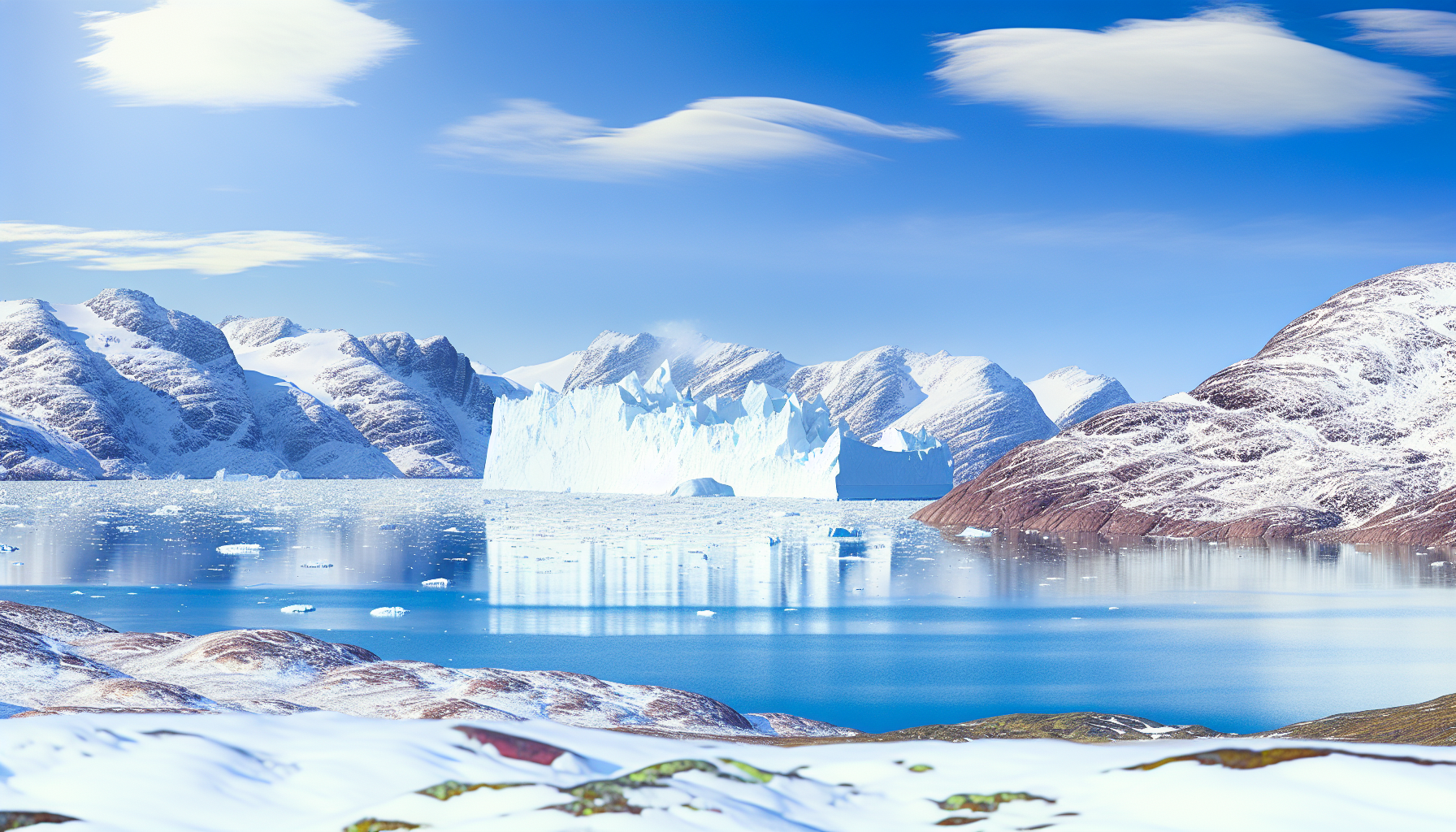
Greenland offers spectacular nature and a climate that can be both challenging and breathtaking. Working and living in Qeqqata requires a certain adaptability, but the reward is a quality of life that is hard to find elsewhere.
The climate and seasons
The climate in Greenland is known for its extreme seasonal variations, offering everything from icy cold winters to bright summer nights.
Weather conditions and temperatures
The weather conditions in Qeqqata vary with the seasons. Winters are cold, with temperatures that can drop well below freezing, while summers are milder with longer days. It is important to prepare with appropriate clothing and equipment to handle these conditions.
Polar night and midnight sun
Greenland experiences the unique natural phenomena of polar night and midnight sun, where days are either very short or long. Adapting to these extreme light conditions can take time, but many find that it adds a special dimension to life in Greenland.
Nature and recreational opportunities
Greenland's nature is one of the biggest attractions for those choosing to move here. The area around Qeqqata offers many opportunities for outdoor life and recreational activities.
Hiking, fishing, and sailing are just some of the activities that can be enjoyed in this magnificent nature. Those willing to embrace the outdoor life will discover that the opportunities are almost limitless, and that the natural beauty of Greenland offers an unparalleled quality of life.
Application and practical steps
When considering starting a career as a chemist, chemical engineer, or in resource extraction in Qeqqata, there are several practical steps to take to ensure a smooth transition.
Job search and application process
The process of finding a job in Greenland can be different from that in Denmark, but with the right approach, it is certainly possible to find the right position.
How to find jobs
Job searching in Greenland can take place through online job portals, where many positions in chemistry and resource extraction are posted. Networking and direct contact with potential employers are also important strategies. Attending relevant conferences and professional networks can be a way to connect with employers and colleagues in the industry.
Application and CV
When applying for a job in Greenland, it is important to have an updated and accurate CV as well as a motivated application that highlights your experiences and qualifications. It can be beneficial to tailor your application to the specific position and company, and to be prepared to present concrete examples of your previous work during a job interview.
Relocation and practical preparations
Once you have secured a job, the next step is to plan your relocation to Greenland, which requires attention to a number of practical details.
Work permit and visa
Depending on your nationality, there may be a need for a work permit or visa to work in Greenland. It is important to research these requirements in advance and ensure that you have all necessary documents ready. Many employers in Greenland offer support with visa applications and other administrative tasks.
Relocation assistance and onboarding
Many companies in Greenland offer relocation assistance and onboarding programs to ease the transition for new employees. This can include everything from help with housing to introductions to the local community and culture. It is a good idea to take advantage of these resources to get as smooth a start as possible.
Conclusion
Working as a chemist, chemical engineer, or in resource extraction in Qeqqata can be a rewarding career path filled with opportunities for personal and professional growth. Greenland offers a unique combination of professional challenge and an unforgettable lifestyle that appeals to those seeking adventure and innovation.
With the right preparations and an open approach to the cultural and climatic differences found in Greenland, this experience can become one of the most enriching in your career. Remember to network, be proactive in your job search, and prepare for the practical aspects of relocation. By taking these steps, you ensure a smooth transition to life and work in Qeqqata.
By HireMe.gl
01 / 02 / 2026