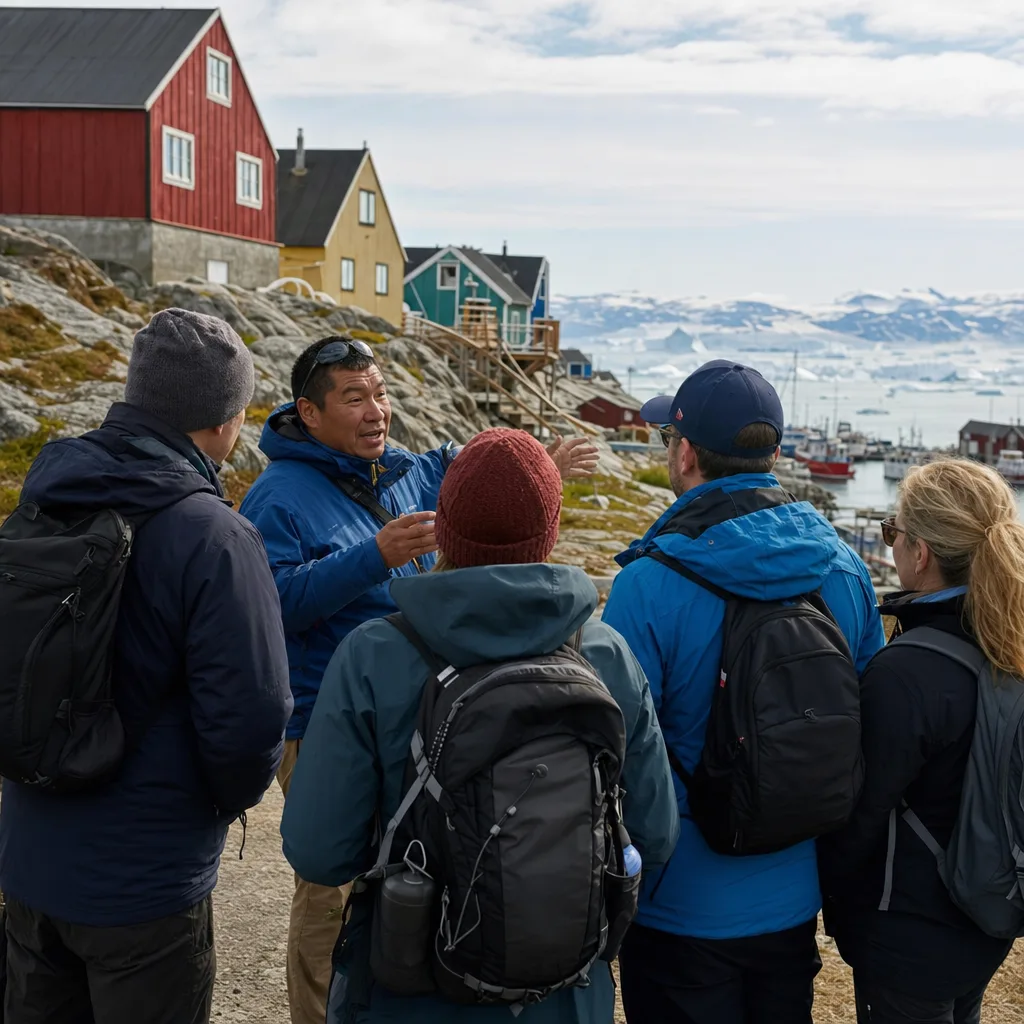

Working in tourism in Greenland: A comprehensive guide
Greenland offers a unique and fascinating opportunity to build a career in tourism. With its magnificent nature, rich culture, and growing tourism sector, Greenland is an attractive destination for those looking to work in tourism. This article will provide you with an in-depth insight into working in tourism in Greenland, including job opportunities, economic aspects, working conditions, and cultural considerations. Whether you dream of a job as a tour guide in Nuuk or a career in tourism in general in Greenland, you will find useful advice and information here.
The job market and career opportunities in Greenland
Greenland's tourism sector is rapidly developing. The country's unique landscapes and cultural experiences attract more tourists each year, creating an increasing demand for skilled workers in tourism. Whether you are experienced in the industry or a recent graduate, there are plenty of opportunities to build a career as a tour guide, nature guide, or in the hotel and restaurant industry.
Current job market and demand
As Greenland becomes a more popular destination for travelers, the demand for labor in tourism is rising. Particularly in larger cities like Nuuk, Ilulissat, and Sisimiut, there is a significant growth in the demand for tourism-related services. The sector includes a wide range of jobs such as travel organizers, tour leaders, hotel staff, and event planners. Opportunities for work as a tour guide in Nuuk are particularly sought after, as the city is often the first stop for many tourists.
The Greenlandic government and local businesses are actively working to promote the country as an attractive destination and are investing in infrastructure and service improvements. This creates a stable and growing sector that can offer job opportunities for both locals and newcomers. If you are considering working in tourism in Greenland, it is a good idea to keep an eye on current trends and opportunities in the industry.
Qualifications and educational requirements
To succeed in a career as a tour guide or in tourism in Greenland, it is important to have the right qualifications and education. While some positions only require a basic service-oriented attitude and interest in Greenland, others require specific degrees or certifications.
Necessary education and certifications
Most tourism-related jobs require some form of formal education or training. For example, an education in hotel and restaurant service, travel management, or a relevant academic background can be an advantage. There are also specific courses and certifications that can help improve your chances of landing a job. For those wishing to work as nature guides, an education in biology, geography, or environmental science can be highly relevant.
Additionally, certifications in first aid and safety procedures may be required, especially for those working in the field. Many employers in Greenland also value courses that focus on cultural understanding and intercultural competencies, which can make it easier to navigate the workplace culture and understand the needs of visitors.
Language requirements and experience
Language skills are crucial when working in tourism in Greenland. Most employers expect applicants to be able to communicate fluently in Danish and English, as these two languages are often used in the tourism industry. Knowledge of Greenlandic is a great advantage and can open up more job opportunities, especially in more locally oriented businesses or positions that require close collaboration with local communities.
Experience in tourism is, of course, an advantage, but it is not always a requirement. Many employers are willing to invest in training and development for their employees, especially if you show a passion for the industry and a willingness to learn. Having experience from similar roles in other countries can also be beneficial, as it can provide you with a broader understanding of the dynamics of the industry.
Specializations and career development
The tourism sector in Greenland offers a wealth of specialization opportunities and career paths. Whether you want to work as a tour guide, hotel manager, or in a coordinating role, there are ample opportunities to develop and specialize your skills.
One of the most sought-after roles is that of a tour guide, where you can specialize in various aspects such as cultural history, nature guiding, or adventure tourism. Many guides choose to become experts in specific areas such as ice fjords, wildlife, or historical sites, which can give them a competitive edge.
There are also opportunities to move up the career ladder within hotel and restaurant management. A career as a hotel manager or operations manager can give you responsibility for larger teams and complex operational processes. This often requires several years of experience in the industry as well as strong leadership skills.
For those who wish to delve further into the world of tourism, there are also opportunities within the education and research sector of tourism. Greenland has an increasing need for research in sustainable tourism, which can lead to exciting opportunities for those with an academic interest in the subject.
Salary, benefits, and economic conditions
Understanding the economics behind a career in tourism in Greenland is crucial for making informed decisions about moving and working there. Salaries in Greenland's tourism sector can vary depending on job type, experience, and location, but generally, the country offers competitive salaries.
Salaries and pay ranges
Salaries in Greenland's tourism sector can vary significantly depending on the position and your experience. It is important to set realistic expectations for income, especially if you are considering a position as a tour guide in Nuuk or another larger city.
Base salary and experience
The base salary for jobs in tourism in Greenland is often at a level comparable to salaries in Denmark. For example, a newly graduated tour guide can expect a starting salary of around 25,000 to 30,000 DKK per month, while more experienced guides and managerial positions can earn significantly more. Experience plays a large role in salary negotiations, and it is not uncommon for experienced professionals in the industry to negotiate higher salaries.
It is also worth noting that many employers in Greenland offer additional benefits and compensation that can supplement the base salary. This can include food and accommodation, especially in more remote areas where housing options may be limited.
Allowances and bonuses
In addition to the base salary, there may also be opportunities to receive various forms of allowances and bonuses. Many tourism jobs offer bonuses based on performance, customer satisfaction, or special tasks, which can significantly increase your overall income. Some employers also provide geographical allowances for work in more isolated areas, which can help ensure a competitive salary.
Overtime and weekend work are also common in the world of tourism, and these hours are often compensated with either extra pay or time off. It is important to discuss the possibilities for allowances and bonuses when negotiating your salary, as these can constitute a significant part of your total compensation.
Tax conditions and economic benefits
The tax system in Greenland is different from the Danish one, which can affect your net income. Greenland has a flat tax rate that can vary between municipalities, but generally, it is around 42-44%. It is important to understand these tax conditions when planning your finances and how they will affect your disposable income.
However, there are also a number of economic benefits to working in Greenland. Many companies offer employee benefits such as pension schemes, health insurance, and other perks that can help improve your overall quality of life. Some companies also offer relocation packages for new employees, which can ease the transition to life in Greenland.
Cost of living and savings
The cost of living in Greenland can be higher than in Denmark, especially regarding imported goods such as food and clothing. It is therefore important to take these costs into account in your budget and plan your expenses carefully.
Housing costs and daily expenses
Housing prices in Greenland vary significantly depending on location and type of accommodation. In Nuuk, which is the largest city, housing costs can be relatively high compared to smaller towns and settlements. It is important to research the housing market and possibly seek help from your employer or local housing offices to find suitable and affordable accommodation.
Groceries and other consumer goods can also be more expensive, as many items are imported. It is therefore a good idea to create a detailed budget plan that includes all fixed expenses such as food, housing, and transportation. Being aware of local offers and discounts can also help reduce costs.
Savings opportunities
Despite higher living costs, it is possible to build savings while working in Greenland. Many work in Greenland on contracts that include attractive salary packages, allowing for savings. It can also be beneficial to take advantage of Greenland's tax schemes and economic benefits, such as lower rent in certain areas, to maximize your savings.
To ensure a healthy financial future, it is important to have a clear plan for saving and investing. Consider consulting a financial advisor to make the most of your money while you are in Greenland.
Daily life and living in Greenland
Living and working in Greenland offers a truly unique lifestyle that differs significantly from what most are used to in Denmark. Life here is closely connected to nature, and it may require some adjustment, but in return, it provides a quality of life that many find irreplaceable.
Working conditions and work environment
The working conditions in the tourism sector in Greenland are generally good, but they can vary depending on the employer and the specific industry. It is important to be aware of the typical working conditions in Greenland so that you can prepare for what lies ahead.
Working hours and structure
Working life in Greenland can be more flexible compared to other places. Many jobs in tourism require employees to work shifts, which can include evenings and weekends. This is due to the changing tourist flows and the special seasonal activities offered. It is important to be open to this flexibility and adapt to the various demands.
The workweek in Greenland often follows a standard 40-hour week, but there can be variations depending on the season and tourist traffic. In peak seasons, working hours may be longer, but this is often compensated with the opportunity to take time off in the low season.
Workplace culture and colleagues
The workplace culture in Greenland is generally relaxed and characterized by a strong sense of community. Collegiality and collaboration are important elements, and there is often a high degree of flexibility regarding work tasks. It is important to have an open and positive attitude and be ready to work with a diverse team of colleagues.
The Greenlandic workplace culture places great emphasis on respect for local culture and traditions. Showing understanding and respect for Greenlandic values can help you build strong relationships with your colleagues and the local community.
Housing and infrastructure
When moving to Greenland for work, it is important to be aware of the housing options and infrastructure, as these can vary significantly from town to town.
Housing options
The housing market in Greenland can be challenging to navigate, especially in larger cities like Nuuk, where demand often exceeds supply. It is important to start the housing search early and consider all options, including apartments, dormitory rooms, and possibly shared housing.
Employers in Greenland often offer assistance in finding housing, which can be a great help, especially for newcomers. It can also be beneficial to explore local housing associations and online portals to find available accommodations.
Transport and facilities
The infrastructure in Greenland is relatively limited, and many places are only accessible by boat or plane. It is important to be prepared for these transport conditions and plan travels well in advance. In larger cities like Nuuk, however, there is public transport, and many places can be reached on foot or by bicycle.
Basic facilities such as supermarkets, health clinics, and schools are available in most towns, but in smaller settlements, the supply may be more limited. It is therefore a good idea to plan shopping and other practical matters well in advance, especially if you live in a remote part of Greenland.
Family and social life
Moving to Greenland as a family can be an exciting experience, but it also requires thorough planning, especially regarding childcare and education.
Childcare and schools
Greenland offers a range of options for childcare and schooling. There are both public and private institutions that offer daycare, kindergartens, and schooling. It is important to explore the different options and find the best solution for your family.
The school system in Greenland is based on the Danish system, but there is also a focus on Greenlandic culture and language. For children who speak other languages, there may be language support and adaptation programs that can help them integrate.
Leisure activities and community life
Greenland offers a wealth of leisure activities and an active social scene. There are many opportunities to participate in sports activities, cultural events, and community events. Nature plays a significant role in daily life, and there are ample opportunities for outdoor activities such as hiking, skiing, and fishing.
The social life in Greenland can be very rewarding, and there is often a strong sense of community in the towns. Engaging in local activities and networks can help you build strong relationships and gain a deeper understanding of Greenlandic culture.
Language, culture, and integration
Moving to Greenland also involves a journey into a rich and diverse culture. To make the most of the experience, it is important to understand the linguistic and cultural aspects.
Linguistic conditions
Language plays a central role in integration in Greenland, and it is important to have an understanding of the different languages spoken in the country.
Danish, Greenlandic, and English
In Greenland, three languages are primarily spoken: Greenlandic, Danish, and English. Greenlandic is the official language and is widely spoken throughout the country. Danish is also very prevalent, especially in business and public offices. English is commonly used in the tourism sector and among foreign newcomers.
Being able to communicate in Greenlandic can be a significant advantage, as it shows respect for the local culture and can help you integrate better into the community. Many employers offer language courses as part of their employment package, which can be a great opportunity to learn the language.
Language courses and learning
There are several ways to learn Greenlandic, either through formal courses, online resources, or language exchanges with locals. Many language schools offer intensive courses that can help you gain a basic understanding of the language quickly. It is also possible to find private tutoring or join language clubs to improve your skills.
Learning the language is not only useful in a professional context, but it can also open up a deeper understanding of Greenland's culture and history. Engaging with the language and using it in daily life can be a rewarding experience.
Cultural understanding and adaptation
Integration in Greenland is about more than just learning the language. It also involves an understanding of the cultural norms and traditions that characterize the country.
Greenlandic traditions and customs
Greenland has a rich cultural heritage that is deeply rooted in nature and the indigenous people. Many traditions and customs have been preserved through generations, and they still play an important role in daily life. Traditional drum dances, kayaking, and dog sledding are just some of the activities that are part of Greenlandic culture.
It is important to respect and appreciate these traditions when working and living in Greenland. Participating in local events and ceremonies can provide you with a better understanding of the cultural significance behind these customs.
Cultural differences
As a Dane in Greenland, you will likely experience some cultural differences that require adaptation. Greenlanders have a relaxed approach to time and are generally very welcoming and hospitable. Showing respect and understanding for these differences can help you navigate the social landscape and build strong relationships with the locals.
It is also important to be aware of the historical and social conditions that affect Greenland and to have an open approach to learning about the country's unique challenges and opportunities. Being culturally sensitive and respectful is key to successful integration.
Climate, nature, and quality of life
Greenland offers spectacular nature and unique climatic conditions that can affect your daily life and quality of life. For those who love outdoor life and nature, Greenland is a true gem.
The climate and seasons
The climate in Greenland varies depending on the region, but it is generally cold with long winters and short summers. It is important to be prepared for the extreme weather conditions and to adapt to the changing seasons.
Weather conditions and temperatures
The weather in Greenland can be harsh, especially in winter, when temperatures can drop below -20 degrees Celsius. It is important to dress appropriately, which often means layering clothing and using insulating materials such as wool and down. In summer, temperatures are milder, and the days are longer, making it an ideal time for outdoor activities.
To prepare for the Greenlandic weather, it is a good idea to invest in quality gear and clothing that can protect against cold and wind. Many local stores offer specialized products designed for arctic conditions.
Polar night and midnight sun
Greenland experiences unique light conditions, including polar night in winter and midnight sun in summer. In the northern regions, there can be several months without daylight in winter, which may require adjustment, especially if you are used to more constant daylight.
The midnight sun in summer can be a fantastic experience, where the sun never sets, and it never gets completely dark. These extreme light conditions can affect your sleep patterns and daily routines, so it is important to find ways to adapt, such as using blackout curtains or light therapy.
Nature and leisure opportunities
Greenland is a dream destination for nature lovers and adventurers. The country's magnificent landscapes offer a wealth of activities that can be enjoyed year-round.
The many fjords, glaciers, and mountains make Greenland an ideal place for outdoor activities such as hiking, kayaking, and climbing. In winter, there are opportunities for skiing, snowshoeing, and dog sledding. It is important to consider safety when venturing into the Greenlandic nature and to be aware of local weather conditions.
Wildlife is also a significant part of the experience in Greenland. There are opportunities to see a rich wildlife, including whales, musk oxen, and arctic foxes. It is important to respect nature and animals when participating in outdoor activities and to follow guidelines for safety and conservation.
Application and practical steps
Applying for jobs in Greenland requires a targeted approach and preparation. It is important to understand the process and requirements to ensure a smooth transition to working life in Greenland.
Job search and application process
Job searching in Greenland can occur through various channels, and it is important to be proactive in your search for opportunities in tourism.
How to find jobs
There are several ways to find jobs in Greenland. Online job portals, networking, and direct contact with employers are some of the most effective methods. Many companies, especially in tourism, are open to international applicants, so it can be a good idea to target your application to specific employers or industries.
Networking is also an important part of job searching in Greenland. Attending local events, conferences, and networking meetings can give you access to valuable contacts and recommendations. It is also worth considering using recruitment agencies that specialize in Greenlandic positions.
Application and CV
When applying for jobs in Greenland, it is important to have a professional and well-structured application and CV. Your application should highlight your relevant qualifications and experiences, as well as your interest and motivation for working in Greenland.
It is a good idea to tailor your application to the specific position and employer, and to include any relevant language skills or cultural experiences that may be an advantage. Having references from previous employers can also strengthen your application.
Interviews can take place in person or via video calls, depending on your location. It is important to prepare thoroughly and be ready to discuss how your experiences and skills can contribute to the company's success in Greenland.
Relocation and practical preparations
Once you have secured a job in Greenland, there are several practical preparations you need to consider before moving.
Work permit and visa
Depending on your nationality, there may be a need for a work permit or visa to work in Greenland. It is important to investigate the specific requirements and to apply for the necessary documents in good time. Your employer can often assist with this process, and it is a good idea to stay in close contact to ensure everything is in order before you move.
Documentation such as passport, proof of professional qualifications, and any previous employment contracts may be necessary for the application process. Make sure to have these documents ready and in order.
Relocation assistance and onboarding
Many employers in Greenland offer relocation assistance and onboarding programs for new employees. This can include practical assistance with housing, transportation, and other logistical aspects of the move. It is important to take advantage of these offers to ease the transition to your new life in Greenland.
Finding a local mentor or network can also be a great help in the initial period after moving. It can give you access to valuable information and support in daily life and help you settle in faster in your new home.
Conclusion
Working in tourism in Greenland can be a rewarding and exciting experience that offers opportunities for professional growth and personal development. Greenland's unique landscapes and rich culture provide an ideal setting for those seeking a career in tourism.
It is important to be well-prepared and informed about the various aspects of living and working in Greenland, from job opportunities and economic conditions to language, culture, and climate. By taking the necessary steps and showing openness and respect for the local culture, you can create a successful and fulfilling career in Greenland.
If you are considering taking the leap into tourism in Greenland, it is important to prepare thoroughly and make use of the resources and networks available. Greenland offers many opportunities but also requires a willingness to adapt and learn. With the right preparations, you can experience a rewarding journey both professionally and personally.
By HireMe.gl
18 / 01 / 2026