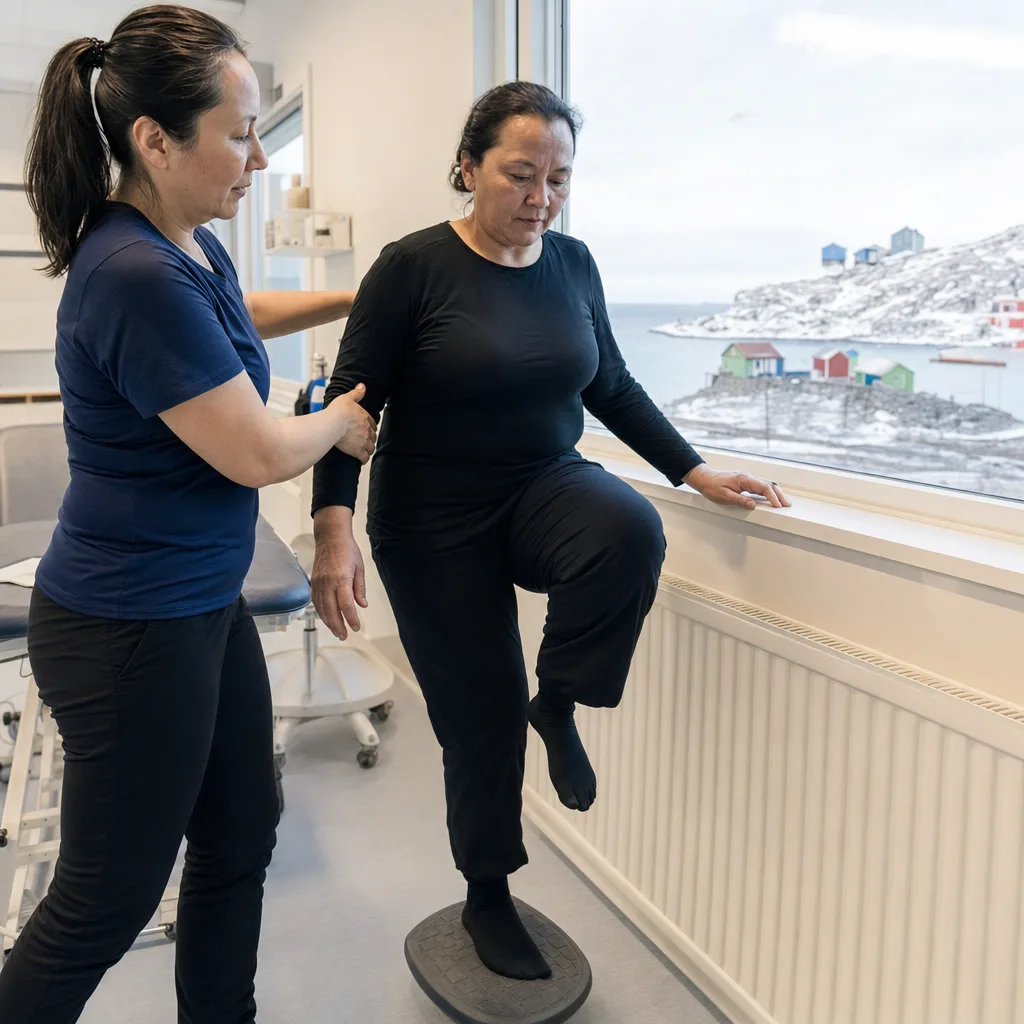

Work as therapy and rehabilitation in Qeqertalik
Greenland is a country with a unique combination of breathtaking landscapes and a rich cultural heritage. One of the regions that stands out is Qeqertalik, which offers an unusual opportunity for those seeking work in therapy and rehabilitation. This article will explore how to build a career as a therapist in Greenland, focusing on Qeqertalik, as well as the practical aspects that come with such a choice. We will cover everything from the local health job market to the economic and social conditions that can affect the daily lives of both professionals and their families.
The job market and career opportunities in Greenland
Greenland is increasingly experiencing a demand for healthcare professionals, including therapists and rehabilitation experts. Especially in regions like Qeqertalik, there is a growing awareness of the importance of mental health and physical well-being. This creates a dynamic and exciting job market for those who wish to work as therapists or rehabilitation specialists. The region's unique geographical and cultural aspects mean that working here can be both challenging and rewarding.
Current job market and demand
In Qeqertalik, as in the rest of Greenland, there is a growing need for healthcare professionals. This demand is partly due to increased awareness of health and well-being, but also the challenges associated with delivering services in a geographically dispersed region. Clinics and hospitals often seek staff with experience in therapy and rehabilitation, which opens up many job opportunities in these areas.
In recent years, there has been significant growth in the number of positions, especially in children's therapy and rehabilitation of the elderly. Additionally, there is a growing interest in offering more specialized services such as occupational therapy and physiotherapy, which has led to increased recruitment. This demand makes it an attractive time to consider a position as a therapist in Greenland, especially in a region like Qeqertalik.
Qualifications and educational requirements
To work as a therapist or in rehabilitation in Greenland, it is important to understand the necessary qualifications and education required. Employers in Greenland, including those in Qeqertalik, value both formal education and practical experience. It is essential to have the right academic qualifications, but equally important is having an understanding of the local culture and language.
Necessary education and certifications
To qualify for healthcare jobs in Qeqertalik, a bachelor's degree in therapy, physiotherapy, occupational therapy, or a similar field is typically required. Many employers prefer candidates with a master's degree, especially if the position involves specialized treatment or management responsibilities. Certifications, such as licenses from relevant health authorities, are also often necessary to work as a professional therapist in Greenland. Degrees from both Danish and international universities are generally recognized, providing opportunities for a wide range of educational backgrounds.
Language requirements and experience
In Greenland, both Greenlandic and Danish are official languages, and a good understanding of these can be a significant advantage in any professional context. Many workplaces in Qeqertalik require employees to communicate fluently in Danish, while knowledge of Greenlandic can be beneficial, especially when working closely with the local community. Experience from previous positions, especially within the Nordic healthcare system, can further strengthen a candidate's profile and provide practical skills that are directly applicable in Greenland.
Specializations and career development
Working as a therapist in Qeqertalik offers the opportunity to specialize in a range of different areas. From child psychology to rehabilitation of the elderly, Greenland offers unique opportunities for career development. The increasing demand for health services also means that there are good opportunities for advancement and specialization within the field.
Specializations may include areas such as psychiatric therapy, where there is an increasing need in Greenland's society. Career development is often supported by the employer through access to further education and training programs, which can help achieve additional qualifications. Greenland's healthcare system is constantly evolving, meaning there are ample opportunities to be part of innovative projects and initiatives that can shape the future of local health practices.
Salary, benefits, and economic conditions
When considering a job as a therapist in Greenland, it is important to understand the economic aspects, including salary, benefits, and the general cost of living. Greenland often offers competitive salaries to attract and retain qualified personnel, and this is particularly evident in specialized roles such as therapy and rehabilitation.
Salaries and salary ranges
The salary structure in Greenland varies depending on experience, education level, and specialization. Generally, therapists and rehabilitation specialists can expect a competitive salary, especially compared to Danish standards. However, it is important to take into account the unique cost of living in Greenland, which can affect the overall financial situation.
Base salary and experience
The base salary that one can expect as a newly graduated therapist in Qeqertalik is often at a level that can compare to or exceed Danish salaries. With several years of experience, the salary increases significantly, especially for those who have specialized in certain areas of therapy. This allows professionals to achieve financial stability relatively early in their careers, which is an attractive factor for many.
Allowances and bonuses
In addition to the base salary, there are often opportunities for allowances and bonuses in Greenland. These may be based on geographical location, as remote areas like Qeqertalik offer extra incentives to attract labor. Additionally, there are often benefits for overtime, weekend, and evening work, which can increase the overall income for healthcare professionals in the area. Further performance incentives may also be available, especially for those who participate in special projects or achieve certain career goals.
Tax conditions and economic benefits
The tax system in Greenland differs from the Danish one, which can affect the overall financial situation. Tax rates are generally lower, but it is important to understand the specific rules and opportunities for deductions and benefits that may be available for foreigners and newcomers.
Cost of living and savings
When working in Qeqertalik, it is essential to consider the cost of living, which can be higher than in Denmark, especially regarding imported goods and transportation. Housing costs can vary depending on location and size, making it important to plan finances carefully.
Housing costs and daily expenses
Housing in Greenland, especially in less populated areas like Qeqertalik, can be a significant item in the budget. Therefore, it is important to thoroughly investigate the options and consider both renting and purchasing a home. Many workplaces offer assistance in finding housing, and there may also be support to cover some of the higher costs of living in Greenland. Daily expenses such as food and transportation can be higher than in Denmark, as many goods are imported. It is advisable to plan purchases carefully and look for local alternatives where possible.
Savings opportunities
Despite the higher cost of living, there are also good opportunities for savings, especially if one receives a good starting salary and takes advantage of the economic benefits of Working in Greenland. Many therapists find that their income level allows them to save for travel or larger investments while still enjoying a high quality of life. It can be helpful to take advantage of local financial advice and resources to ensure that one gets the most out of their income.
Daily life and living in Greenland
Moving to Greenland, and particularly to a region like Qeqertalik, involves a significant lifestyle change. Therefore, it is important to understand how working conditions, housing situations, and social life can affect one's daily life.
Working conditions and work environment
The work environment in Greenland can be both unique and challenging. The geographical isolation and weather conditions mean that there is often a strong sense of community and collaboration in the workplace. Many find the work environment in Qeqertalik inspiring and enjoy the more relaxed work culture that is typical of Greenland.
Working hours and structure
Typical working hours in Greenland are between 8 and 16, but there can be flexibility depending on the specific role and employer. In the healthcare sector, there is often a need for evening and weekend work, which can provide an individual balance between work and leisure. Many workplaces offer flexible working hours to accommodate the various needs that may arise in such a dynamic work environment.
Workplace culture and colleagues
The culture in the workplace in Greenland is generally characterized by relaxation and a strong team spirit. Many places place a high value on collaboration and mutual support, promoting a healthy work environment. It is common to form close friendships with colleagues, which can also help ease integration into the local community. For foreigners, it is a good idea to engage in social activities and events where one can learn more about Greenlandic culture and build relationships.
Housing and infrastructure
Housing and infrastructure in Qeqertalik can vary, but there is generally a good selection of options for newcomers. As part of the practical adjustment, it is important to understand how to find the right home and what facilities are available.
Housing options
The housing market in Qeqertalik offers a range of options, from rental properties to purchasing real estate. Many workplaces assist with the housing process, which can be a significant advantage for new arrivals. It is important to consider whether one wants to live centrally in the city or in more rural surroundings, which can offer a more scenic view.
Transportation and facilities
Transportation in Qeqertalik is limited compared to larger cities, but most find it easy to navigate the area on foot or by bicycle. Public transportation may be limited, so it is important to plan trips carefully. Facilities such as supermarkets and health clinics are generally available, but accessibility can vary depending on the residential area.
Family and social life
For those moving to Greenland with family, it is important to understand what the region can offer in terms of education and social activities.
Childcare and schools
Greenlandic schools offer instruction in both Danish and Greenlandic, allowing children to learn both languages. Kindergartens and daycare facilities are available, and many places also offer support for children with special needs. It is important for newcomer families to explore the local educational options to ensure they meet the family's needs.
Leisure activities and community life
Qeqertalik offers a rich variety of leisure activities, from sports and outdoor adventures to cultural events and festivities. The strong community life means that there are often social events and opportunities to participate in local projects and initiatives. For those looking to engage with the community, there are ample opportunities to participate in volunteer activities, which can be a great way to integrate.
Language, culture, and integration
An important part of moving to Greenland is understanding and adapting to the local culture and language. Greenland has a rich cultural heritage, and language skills play a central role in both professional and personal life.
Linguistic conditions
In Greenland, both Greenlandic and Danish are spoken, and both languages are important in daily life. For those working in the healthcare sector, it is often necessary to be able to communicate in Danish, while Greenlandic can be an advantage in interactions with the local community.
Danish, Greenlandic, and English
Although Danish is often used in formal contexts, Greenlandic is the primary language for many residents in Qeqertalik. It can be beneficial to communicate in both languages, especially in the healthcare sector, where precise communication is crucial. English can also be useful, especially in the tourism and service industries, but it is not necessarily required in all positions.
Language courses and learning
For those looking to improve their language skills, there are offerings for language courses both locally and online. Many employers provide support for language training as part of the onboarding process. There are also many resources available for those who wish to improve their Greenlandic, which can help facilitate integration into the local community.
Cultural understanding and adaptation
Understanding and adapting to Greenland's unique culture can be an enriching experience, but it also requires openness and a willingness to learn.
Greenlandic traditions and customs
Greenland has a strong cultural identity characterized by traditions and customs that date back several hundred years. From traditional drum dancing and storytelling to modern art and music, Greenland offers a wide range of cultural experiences. It is important to respect and participate in these traditions as part of the integration process.
Cultural differences
Although there are many similarities between Denmark and Greenland, there are also significant cultural differences. For those moving to Qeqertalik, it is important to be aware of these differences and adapt to them. This may involve understanding local social norms and business etiquette. Being open and curious will help ease this transition and ensure a positive experience.
Climate, nature, and quality of life
Greenland's climate and nature constitute a significant part of life in the country. For many, the breathtaking landscapes and unique weather system are among the greatest attractions of living in Greenland.
The climate and seasons
Greenland experiences an Arctic climate, which means that the weather can be extreme, and the seasons are very different from those in Denmark. This affects both daily life and professional life.
Weather conditions and temperatures
Greenland's climate is characterized by long, cold winters and short, mild summers. Temperatures can range from -20°C in winter to 10°C in summer. It is important to prepare for these conditions by having appropriate clothing and equipment. Many enjoy the tranquility of winter and the long days of summer, which provide ample opportunities to experience nature.
Polar night and midnight sun
One of the most unique aspects of living in Greenland is the experience of polar night and midnight sun. In winter, days can be very short, while summer offers nearly constant daylight. This can affect both mental and physical well-being, and it is important to have strategies in place to cope with these extreme conditions. Many find that an active lifestyle and light therapy can help adjust to these cycles.
Nature and recreational opportunities
Greenland is known for its spectacular nature, and Qeqertalik is no exception. The area offers a wealth of outdoor activities and opportunities to experience the wild Arctic nature.
From hiking and kayaking to skiing and dog sledding, the opportunities for outdoor adventures are virtually endless. The rich wildlife, including seals, whales, and polar bears, attracts many nature lovers. For those who love nature, Greenland is a true paradise.
Application and practical steps
For those interested in working as a therapist or in rehabilitation in Qeqertalik, it is important to understand the application process and the practical steps that need to be taken to ensure a successful transition to Greenland.
Job search and application process
Finding a job as a therapist in Greenland requires a targeted approach, utilizing all available resources. Online job portals and networking are important tools in the search process.
How to find jobs
An effective job search strategy includes using specialized job portals for Greenland and directly contacting potential employers. It can also be beneficial to build a professional network by participating in relevant conferences and seminars. Recruitment agencies focusing on Greenland can also provide valuable assistance in the job search process.
Application and CV
When applying for a position as a therapist in Greenland, it is important to have a clear and professional CV as well as a targeted application. It is essential to highlight relevant qualifications and experiences that make one suitable for the role. Interviews can take place both in person and online, and it is important to prepare thoroughly to ensure a good performance.
Relocation and practical preparations
Moving to Greenland requires careful planning and preparation, especially regarding work permits and visa requirements.
Work permit and visa
For most people moving to Greenland from abroad, it is necessary to secure a work permit and possibly a visa. It is important to research the specific requirements and gather the necessary documentation in good time. Many employers offer support in this process, which can be a great help.
Relocation assistance and onboarding
Many workplaces in Greenland offer comprehensive relocation assistance and onboarding programs for new employees. This may include assistance with housing, introduction to local facilities, and support for learning the Greenlandic language and culture. It is helpful to take advantage of these resources to ensure a smooth transition to life in Qeqertalik.
Conclusion
Working as a therapist or in rehabilitation in Qeqertalik can be an extremely rewarding experience, both professionally and personally. With a growing demand for health services, a rich cultural experience, and the opportunity to live in one of the world's most spectacular landscapes, Qeqertalik offers unique opportunities for career development. Although there may be challenges in the form of language barriers and climatic conditions, there are also significant benefits in terms of economic stability and quality of life that the region offers. For those willing to take the leap, a career as a therapist in Greenland can be both enriching and transformative.
By HireMe.gl
14 / 02 / 2026