

Living and working in Nuuk: jobs, housing, and daily life
28 September 2026
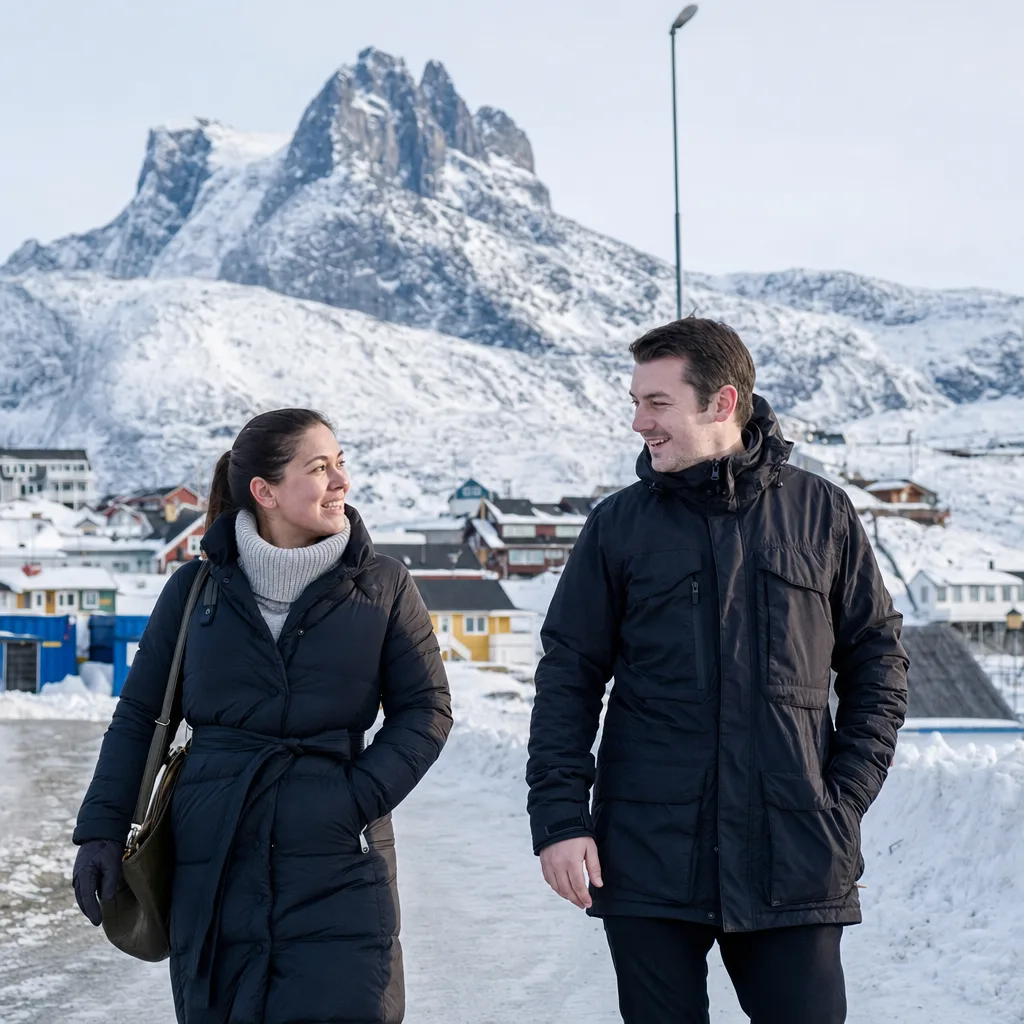
Nuuk is Greenland's largest city and the place where most industries and education meet. This makes the city attractive if you want to live in Nuuk and would like to have more job opportunities, public transport in everyday life, and a wider range of shops and leisure activities than in most other cities. In return, the housing market is pressured, and it is often the housing – not the job – that determines how quickly you can move to Nuuk.
The job market in Nuuk – and what sets the city apart from the rest of Greenland
If you are searching for “work in Nuuk,” you are typically looking for a place with more workplaces, more variety, and a greater chance of changing direction without moving again. Nuuk has a large concentration of public jobs, administration, and educational institutions, but also a growing private sector.
In practice, many find their first job in Greenland within:
- The public sector: Self-government, the municipality, schools, daycare institutions, operations, and administration.
- Health and care: hospital, clinics, care, and social services (often with requirements for authorization/education).
- Construction and facilities: crafts, project management, machine operators, and technical professions – seasonal fluctuations occur.
- Service, hotel, and restaurant: kitchen, cleaning, reception, café/restaurant, events.
- Office, finance, and IT: operations, support, data systems, finance, and HR – especially in larger organizations.
Nuuk is also a good springboard to the rest of the country: some take a job in the capital to “land,” build networks, and later move to e.g. Sisimiut, Ilulissat, Qaqortoq, or Aasiaat – either to get closer to nature, find quieter surroundings, or because a specific position arises.
If you want an overview of the opportunities, start by viewing all available positions in Greenland and filter by city and profession. And if you are new to the country, the guide to working in Greenland can help you with the typical conditions and pitfalls.
Housing in Nuuk: how to think realistically before you move
Housing is the biggest practical barrier when moving to Nuuk. There are both rental properties and owner-occupied homes, but waiting times, prices, and access vary, and many find that they need to be more flexible than at home in Denmark.
Three things you should clarify early:
- Housing through work: Some positions – especially when recruiting from outside – may have provided or partially paid housing. It is not a given, so ask specifically what applies: rent, deposit, furnishing, duration, and rules regarding job changes.
- Temporary solution: Plan well in advance if you need to start a job before permanent housing is in place. Agree on the terms in writing so you know how long a temporary solution applies.
- Everyday logistics: Location matters a lot in the winter months. Consider the distance to work, shopping, and institutions – and how you will get around in snow, wind, and darkness.
Compared to other cities, Nuuk is often more challenging for housing but easier for job variety. In cities like Sisimiut, Ilulissat, Qaqortoq, and Aasiaat, the housing hunt can feel different – in some places more manageable, in others characterized by a smaller market. Regardless of the city, it helps to be clear about your timeline, budget, and flexibility.
Economy and living costs: what surprises newcomers?
It is common to underestimate how much everyday economics can fluctuate – both between cities and from season to season. Some expenses may be higher than you are used to, while others may be lower, depending on the type of housing, consumption, and transportation needs.
Typical items worth calculating before you say yes to a job in Greenland:
- Housing: rent, electricity/heating, internet, and any shared expenses.
- Food and groceries: availability and prices vary, and fresh goods can be more expensive or more vulnerable to deliveries.
- Transport: in Nuuk, many manage without a car, but traveling between cities requires planning and budgeting.
- Moving: freight, extra baggage, storage, and any costs for temporary housing.
Please read Living costs in Greenland: what does everyday life cost? for a concrete overview of what typically affects the budget – and what questions you can ask before you move.
Everyday life in Nuuk: pace, climate, and social life
Living in Nuuk feels for many like a mix of city life and small community. You have cafés, culture, sports, and community life, but also the classic Greenlandic reality: the weather dictates more, distances are felt, and people often know someone who knows someone.
What particularly shapes everyday life:
- Climate and light: winter can be dark and windy, and it affects energy and routines. Many thrive best with fixed habits, outdoor clothing in order, and a plan for exercise during the winter period.
- Nature close by: mountains, sea, and excursions are a big part of life for many – even if you are not an “outdoors person” from the start.
- Language: Danish can take you far in Nuuk, but Greenlandic plays a bigger role in everyday life the further you get from the capital. Respect and curiosity for the language make a noticeable difference in relationships and working life.
- Network: relationships matter a lot. Be clear, keep agreements, and give yourself time – trust is often built through stability more than through grand words.
If you are considering other cities than Nuuk, think about what you are looking for: peace, nature, a more manageable local community, or a strong tourism season (like in Ilulissat). There is no one right choice – but it is advantageous to decide what you want to prioritize in the first 6–12 months.
Concrete next steps if you want to move to Nuuk
- Choose your “package”: Is your most important job type, housing, city life, or nature? That choice makes your exclusions easier.
- Check requirements and paperwork: Authorization (e.g., health), driving license needs, criminal record, references, and when you can start.
- Ask about conditions: housing (provided/not provided), travel upon commencement, trial period, working hours, and what happens if you change roles internally.
- Build a picture of the employer: See how the organization works and what everyday life looks like. You can get inspiration by looking at companies in Greenland.
- Plan the first weeks: temporary housing, shopping, transport to work, and who you can ask for advice locally.
See current opportunities on HireMe.gl by going to the overview of available positions in Greenland and filtering for Nuuk or other cities if you are still weighing where you want to start.