

Cost of living in Greenland: what does everyday life cost?
17 August 2026
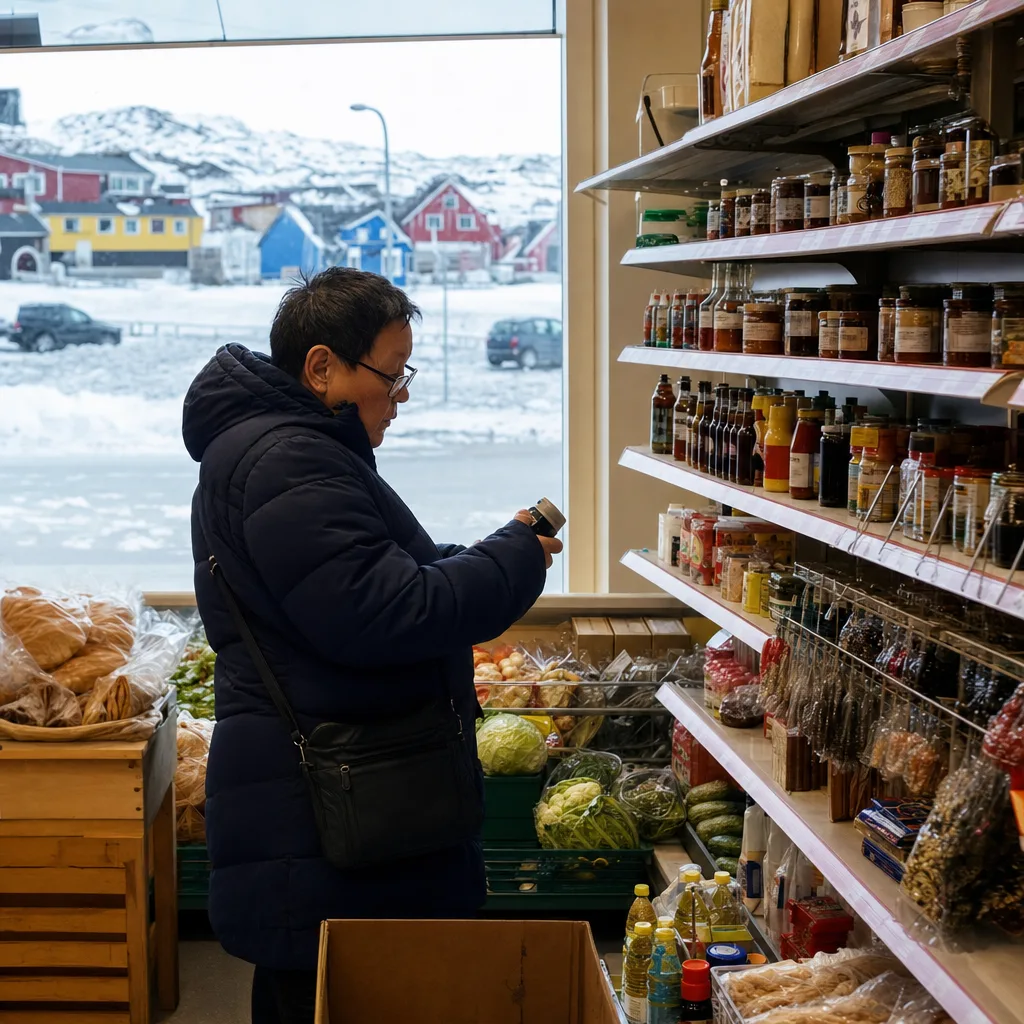
Living costs in Greenland depend especially on where you live (Nuuk vs. smaller towns/settlements), how goods are transported in, and whether you get housing through your job. If you are trying to figure out what it costs to live in Greenland, the most honest answer is: some things are more expensive than in Denmark, while others can be surprisingly affordable when the employer provides housing or when you live more locally.
Housing: the major expense – and the biggest difference between “expensive” and “possible”
For most people, housing is what determines whether they perceive living costs in Greenland as high. In larger cities like Nuuk, Sisimiut, Ilulissat, Qaqortoq, and Aasiaat, it can be difficult to find rental housing in the private market, and the standard can vary greatly.
The most important question is therefore not just price – but terms: Are you provided with or do you have free housing through your job? Do you have to pay a deposit? Is electricity/heating included? Is there furniture? And how long can you stay if you change jobs?
- Public employers (e.g., the Self-Government, municipalities, and healthcare) often recruit with housing arrangements, especially when relocating and in positions where it is difficult to find labor.
- Private employers can also offer housing, but it varies more. Ask very specifically before you sign.
- Housing standard can range from new builds to older apartments, where maintenance, noise, and heating matter more for the actual monthly expense than you might think.
If you are looking for jobs in Greenland, read the job posting very carefully for the housing section – and ask for it in writing. You can also inform yourself about employers via the overview of companies in Greenland.
Food and groceries: prices in Greenland fluctuate with shipping and season
When people search for “prices in Greenland”, they often mean groceries. Many goods are transported long distances, and it can be felt. Especially in smaller towns and settlements, the selection is narrower, and prices can be higher than in the largest cities because transportation is more complex.
What typically makes a difference in the food budget:
- Imported goods (fresh vegetables, dairy products, specialty items) can be more expensive, especially when the weather or logistics pressure deliveries.
- Basic goods can be more stable in price, but the level can still be above what you know from home.
- Local products (e.g., fish and game) can be an advantage if you have access through networks, local purchasing options, or if you fish/hunt yourself (where relevant and legal).
- Waste: planning matters more. When you live in a place where you can't just “pop by” after work, you save money by making meal plans and freezing food.
A practical tip: ask colleagues what they actually spend on groceries in your specific town and what items they buy when there are good supplies. It gives a more accurate picture than general comparisons.
Transport: you cannot rely on cars and road networks – and flights are part of the budget
Transport is a special expense when calculating what it costs to live in Greenland. Between cities, people typically travel by plane or ship – not by car. Within cities, many walk, use buses (where available), or scooters/boats depending on the season and location.
- Domestic travel: If you expect to visit family in other cities, take courses, or just experience the country, then set a realistic travel budget. Prices and availability vary with season and demand.
- Car: In some cities, having a car makes sense, in others less so. Import, spare parts, and workshop services can be more expensive and slower than you are used to.
- Local transport habits: In Nuuk, everyday logistics are different than in, for example, Ilulissat or Qaqortoq, and again different in smaller places where distances are short, but the weather controls everything.
If you are moving to take work in Greenland, also clarify whether the job requires travel activity and who pays for it. This should be clearly stated in the contract and personnel policy. Also see the guide to working in Greenland for more practical matters to sort out before departure.
Leisure, cafés, and everyday luxury: less selection, but strong communities
Leisure in Greenland can be expensive or cheap – it depends on what you associate with “hygge”. If you eat out often, go out, and buy many specialty items, you will feel the price level. If you live more nature-based, everyday life can feel both rich and less consumption-driven.
- Restaurant and café: There are good places, especially in the larger cities, but expect that a café/restaurant visit often costs more than you are used to.
- Sports and associations: In many places, community life is an important anchor. It can be one of the best “investments” in both well-being and networking.
- Outdoor: Hiking, skiing, sailing, and nature trips are significant. Equipment can be more expensive to buy locally, so consider what you need to bring from home.
The biggest difference for many newcomers is that leisure is not just about supply, but about rhythm: weather, dark periods/light nights, and small local communities mean that you plan more and shop spontaneously less.
How to create a realistic budget before you move
If you want a useful answer to “living costs Greenland”, then create the budget as scenarios – not as one number.
- Start with the housing scenario: with housing through the employer vs. private rental. Also note electricity/heating, internet, and furnishing.
- Create two food budgets: “import-heavy” (many fresh goods, specialty products) and “local/practical” (basic goods, planned purchases).
- Transport and travel: how often will you realistically travel between cities, and do you need a car?
- One-time expenses: moving, equipment, winter clothing, possible quarantine/storage space, and unforeseen expenses due to delays.
- Check the contract and rules: Working conditions, safety, and responsibility can affect your everyday life and finances. Read about changes in the framework in the article about Greenland's working environment law and what the changes mean for you.
And be honest about where you want to live: Nuuk typically has the most options and the most city life, while Sisimiut, Ilulissat, Qaqortoq, and Aasiaat can provide a different balance between work, everyday life, and nature – but often with different housing and goods conditions. “Cheapest” and “best” are rarely the same; it’s about the match.
If you want to link the budget directly to concrete opportunities, then see current postings and what they offer in terms of housing and terms via see all available positions in Greenland.