

How to find your next job in Greenland
25 July 2023
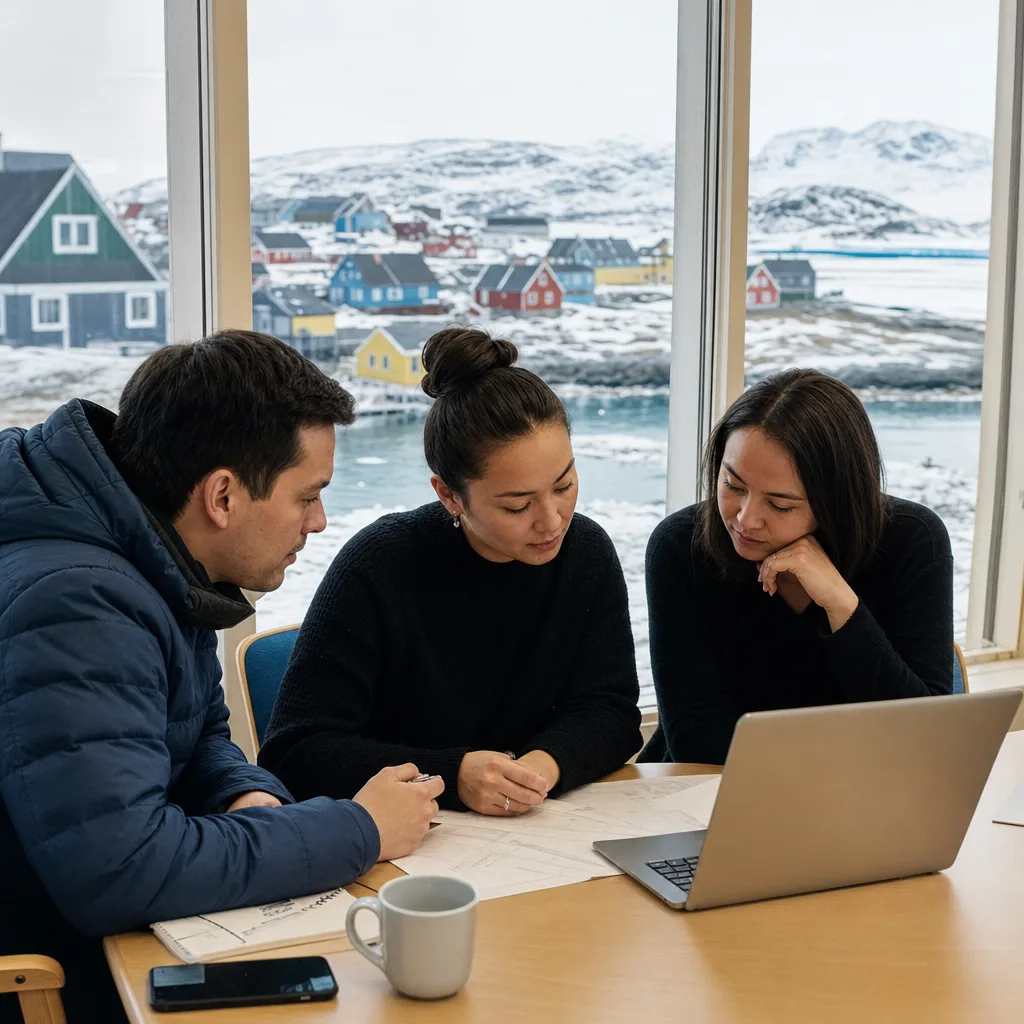
If you want to find your next job in Greenland, it is less about "the perfect CV" and more about understanding who is hiring, how recruitment works, and what practical factors can determine whether a job fits for you.
Start by choosing the framework: city, industry, and time horizon
Greenland is not one job market. Nuuk has the most administrative functions and many positions in larger entities. Sisimiut and Ilulissat typically have more positions related to operations, tourism, and local service functions. Qaqortoq, Aasiaat, and other towns often have jobs with close contact to the local community, where you quickly become part of the everyday life at the workplace.
Before you apply broadly, clarify three things:
- Geography: Are you flexible between several cities, or does it have to be one place (e.g., due to family, school, or partner job)?
- Contract length: Are you looking for a shorter engagement or a more permanent base? This can affect both housing options and onboarding.
- Job type: Do you want to work in the public sector (typically municipality, self-government, healthcare) or in private companies (construction, trade, tourism, consulting, etc.)?
If you are unsure about the overall terms, use a thorough framework first: guide: working in Greenland.
How to read a Greenlandic job posting (what is often left unsaid)
Many postings are short and very concrete. Pay special attention to these points, as they are significant in practice:
- Housing: Some positions are recruited with designated or free housing, others are not. This can be decisive, especially in cities with pressure on the housing market.
- Travel: Is there anything mentioned about travel for starting, home travel, or whether the job involves travel between cities/towns?
- Language: Danish is often the working language in parts of the administration and in many professional environments. Greenlandic is very important in citizen-facing functions. English may be relevant in tourism and internationally oriented teams. If you do not speak Greenlandic, be honest – and show how you collaborate respectfully in a multilingual environment.
- Authorization and documentation: Health, education, technology, and certain trades may require authorization, certificates, or documents that need to be in place before starting.
If anything is unclear, call or write to the contact person. In Greenland, a short, concrete dialogue can make your application significantly stronger than a long standard text.
Where jobs in Greenland are typically found – and who is hiring
The public sector is significant: municipalities, self-government, and the healthcare system continuously hire in operations, service, education, social services, administration, and health. Additionally, there are private employers in construction, logistics, retail, tourism, consulting, and resource-related activities (which can fluctuate over time).
Three concrete ways to lead smarter:
- Scan the market broadly: Use a comprehensive overview and filter by field and geography. Here it makes sense to start with see all available positions in Greenland.
- Find the employers first: If you know what type of workplace you thrive in, start with a list of employers and keep an eye on their postings. See companies in Greenland.
- Be open to related titles: Many job functions overlap. If you are looking for “jobs in Greenland” in the office sector, positions may be called caseworker, consultant, administrative employee, or coordinator – with different requirements and responsibilities.
The application that works here: short, clear, and practical
Employers often look for people who can function in a daily life with distances, changing weather, and a workplace where everyone helps each other across roles. Make it easy to see that you are ready:
- Open with your “match”: 3–5 lines about your expertise, your motivation for Greenland, and when you can start.
- Document what is crucial: Authorization, certificates, driver's license, relevant experience, and specific tasks you can solve from day 1.
- Show resilience without exaggeration: For example, write that you thrive with responsibility, can work independently, and have experience collaborating in small teams.
- Internship: Mention if you are willing to live in staff housing, if you can take short notice, and if you are flexible regarding the city.
For the interview: Have questions ready about housing, training, working hours, travel, expectations during the probation period, and who you will work closest with.
Before you say yes: housing, taxes, distances, and everyday life
Working in Greenland can be fantastic, but it is not “just like home.” You should clarify the conditions that affect your finances and well-being:
- Housing and move-in: What is included (furniture, utilities, internet), and when can you get the keys?
- Economy: Salary and allowances vary greatly depending on the agreement, function, and location. Ask to get the terms in writing, and always compare with the specific posting.
- Transport and logistics: There are no roads between the cities. Air and sea travel matter for both travel, price levels, and delivery times for goods.
- Social life: In smaller towns, the workplace often becomes a large part of your network. This can be a plus – but also requires that you thrive in a close-knit community.
If you are facing a move, read What you need to know when moving to Greenland for work and use it as a checklist before you sign.
Next steps
Make a short list of 5–10 relevant job types and 3–6 cities where you can realistically see yourself, and then apply purposefully. See the current opportunities on HireMe.gl under available jobs.