

Working as an educator in Greenland: requirements, language, and daily life
02 November 2026
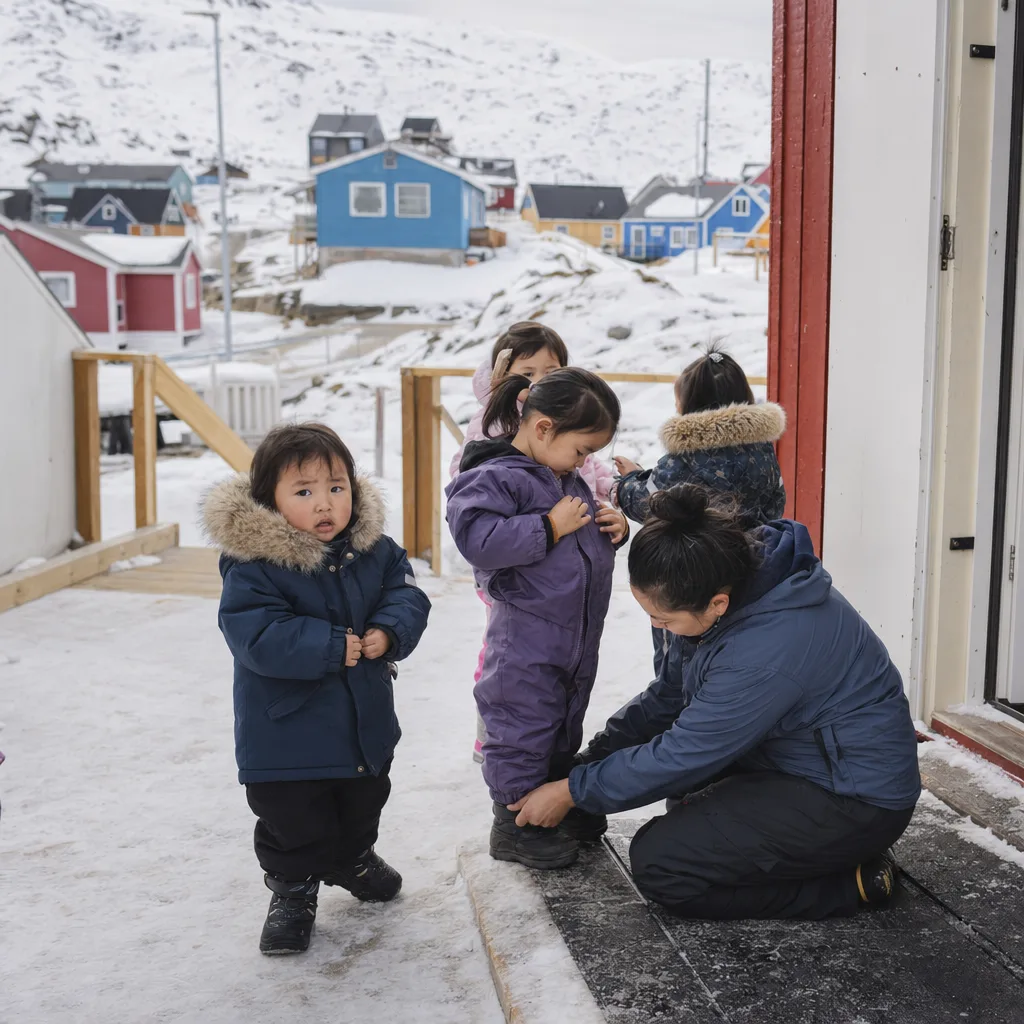
Pedagogical jobs in Greenland are primarily found in nurseries, kindergartens, after-school programs, and residential institutions — often with small teams, close relationships, and a daily routine where collaboration with families and local communities is more significant than many are used to from Denmark.
Where pedagogues work: institutions and tasks
Daycare institutions in Greenland cover both care, learning, and social support. In larger cities like Nuuk, Sisimiut, Ilulissat, Qaqortoq, and Aasiaat, you will typically encounter more specialization and more colleagues. In smaller towns and settlements, the role is often broader: you handle a bit of everything and quickly become a familiar adult in the local community.
- Nursery and kindergarten: relationship work, play, language development, parental collaboration, structure in a daily routine that can change with the weather and attendance.
- After-school program/club (SFO): activities after school, safe environments, conflict resolution, support for children's social communities.
- School and support functions: pedagogical efforts in classes or around individual students (depends on local needs).
- Residential institutions and social pedagogy: work with children/youth with special challenges, changing shifts, and close interdisciplinary collaboration.
Common to many positions is that you must be able to work independently, take responsibility in situations with few hands, and at the same time maintain a calm, warm tone — even when it is busy.
Employers and where to find pedagogical jobs in Greenland
The public sector plays a significant role in the job market. Many pedagogues are employed by municipalities or in services with municipal operation. There may also be independent or private services depending on the city and area. If you want to get an overview of who is hiring, you can also see a comprehensive list of companies in Greenland.
Job content and terms vary from place to place, so read the postings carefully: Some positions are pure pedagogical positions, while others combine pedagogy with practical tasks in a smaller institution.
- See all available positions in Greenland and filter by pedagogy, city, and employment type.
- Consider geography: Nuuk often has more positions and larger professional environments, while smaller places may offer more responsibility and closer communities.
Requirements, education, and paperwork
A pedagogical education from Denmark is generally relevant, but specific requirements depend on the employer and the nature of the position. In some places, experienced assistants, support persons, or candidates with related education may also be hired, especially if there is a shortage of qualified pedagogues.
Typically, expect to address:
- Documentation of education and experience: diploma, CV, references. Have it ready as a pdf.
- Child certificate/criminal record: often required when working with children and youth (requirements and procedures are usually stated in the posting).
- Health and travel plans: some workplaces ask for health information or special considerations upon commencement, especially if you are going far from larger cities.
Housing is one of the major practical challenges. When recruiting from outside, some positions may offer designated housing or temporary housing solutions, but this is not uniform everywhere. Ask early about: type of housing, rent, furnishings, deposit, binding period, and what happens if you leave early.
Language in everyday life: Danish, Greenlandic, and what lies in between
Many search for “pedagogue Greenland” and primarily think of language. The reality is that you can work many places with Danish as the working language — especially in larger cities and in staff groups with mixed backgrounds. However, children and parents may have Greenlandic as their strongest language, and you will have a significantly easier daily life if you are curious and humble about the language.
- Greenlandic is a key to trust: even a few phrases in the cloakroom, during comfort, or in play can make a difference.
- Bilingual practice: you may find yourself switching between Danish and Greenlandic during a conversation, especially in collaboration with colleagues and families.
- Professional communication: meetings, plans, and documentation can be in Danish, Greenlandic, or both – ask what is expected specifically where you are applying.
It is entirely legitimate to start without Greenlandic, but be honest about your level, and agree with your manager on how you will be supported (e.g., buddy training, word lists, course opportunities, or language partners).
The everyday life of a pedagogue: pace, climate, and community
What many describe as the biggest adjustment is not the professionalism, but the framework: distances, weather, and a community where you see each other everywhere. In a daycare institution in Greenland, excursions, outdoor life, and practical planning can depend on wind, snow, ice, and daylight.
- Small teams and broad role: you can quickly take on greater responsibility, and you often need to be able to improvise when staffing changes.
- Parental collaboration: relationships are central, and trust is built over time. It helps to listen more than you explain at the beginning.
- Proximity in the city: especially in smaller towns, your work and private life can intertwine. Consider in advance how you will take care of your own recovery.
- Practical conditions: prices, shopping, and transportation can be different than in Denmark. Plan finances and logistics, especially when moving.
If you want a broader overview of the framework, taxes, housing, and moving, read the guide to working in Greenland. And if you are moving in with a partner, it may be wise to explore job opportunities across sectors (e.g., this guide on jobs in hotels in Greenland can provide ideas for accompanying jobs).
How to increase your chances of a good match
- Choose geography with open eyes: a big city often provides more colleagues and networks; smaller places often offer more responsibility and closer community.
- Ask specific questions: staffing, opening hours, duty roster (if relevant), team composition, language in the staff group, and how you work with parental collaboration.
- Clarify housing before you say yes: what is guaranteed, what is “possible,” and what do you need to find yourself?
- Prepare for the culture: read about the city, listen to local experiences, and approach the task with respect for the fact that pedagogy is also shaped by the place's history and family life.
See current pedagogical jobs in Greenland and other relevant positions on HireMe.gl under available jobs, and compare terms and requirements from city to city before you decide.