

Health and medical assistance in Greenland: doctor, dentist, and insurance
12 October 2026
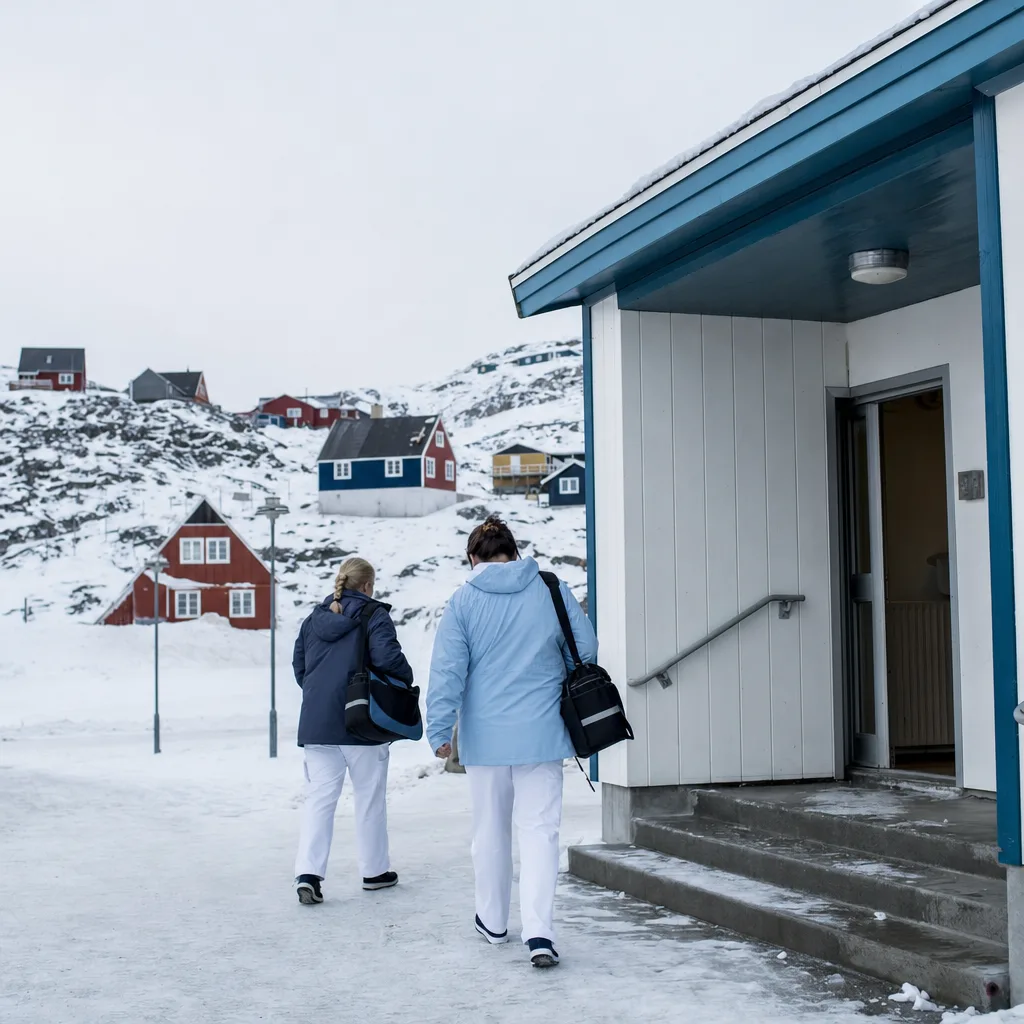
Health and medical assistance in Greenland operates in many ways like in Denmark, but distances, weather, and fewer specialists mean that you need to plan a bit more as a newcomer. Here you get a practical overview of the healthcare system, how to use doctors and dentists in cities like Nuuk, Sisimiut, Ilulissat, Qaqortoq, and Aasiaat – and what you should consider regarding insurance.
This is how the healthcare system in Greenland is structured
The public healthcare system covers the entire country. In larger cities, there is typically a hospital or a larger clinic with several professional groups, while smaller places often have a health clinic with limited staffing. This does not mean that you are left without help – but that some examinations and treatments may require referrals, waiting times, or transport to another city.
You will often encounter a mixed staff: permanent employees, local workers, and temporary staff. Continuity can therefore vary, and it is a good idea to be diligent about documenting treatments and medications so you can easily continue treatment, even if you change cities.
Your own doctor in Greenland: what does it mean in practice?
Many newcomers ask: “Do you have your own doctor in Greenland?” In practice, you have access to primary medical care through the local clinic or medical function, but the arrangement may be organized differently than a Danish medical practice with a fixed general practitioner attached. In some places, you will experience more stable teams, while in others, staffing may change more frequently.
Good advice to make everyday life easier:
- Bring your medical history: medication list, diagnoses, latest test results, and relevant medical records (preferably in Danish or English).
- Book an appointment in good time, if it is not urgent – especially before holiday periods and during seasons with a lot of travel activity.
- Expect triaging: Acute problems are prioritized, while check-ups and non-urgent issues can be planned ahead.
- Ask about procedures in your city: where to call, when consultations are held, and how prescriptions and test results are handled?
If you want a broader overview of practical matters as a newcomer (housing, taxes, contracts, and daily life), the guide: working in Greenland is a good next stop.
Emergency assistance, on-call services, and transport between cities
In case of acute illness or injury, follow the local instructions for emergency phone numbers, clinics, and any on-call services. In Greenland, the weather can be part of the “health plan”: Storms, fog, or icy conditions can delay transport, and this can affect both planned check-ups and emergency evacuations.
Therefore, it is wise to think in robust habits:
- Have a little extra medication in reserve if you are on regular treatment (agree with your doctor what is reasonable).
- Plan check-ups outside periods when you know you will be traveling a lot.
- Keep an eye on symptoms and seek help early if something worsens – especially if you live outside the largest cities.
For families with children, people with chronic illnesses, or pregnant women, it can be reassuring to clarify in advance where the nearest relevant services are and how referrals work in your municipality.
Dentist in Greenland: expect waiting times and plan for prevention
Dental care is available throughout the country, but capacity can vary. In larger cities, the options are typically better, while smaller places may have more limited hours or periods with fewer appointments. If you know you need major dental treatment, it may be wise to get it done before moving – or to make a plan with the dental clinic early in your stay.
Practical tips:
- Book a check-up shortly after arrival so that small problems do not grow into larger ones.
- Bring previous X-rays/overview, if you have them, especially for ongoing treatments.
- Ask about options in your city and about any referrals to a larger clinic for more advanced treatment.
As a newcomer, it is also worth investigating whether your employer has an agreement or advice regarding dental treatment and how any expenses are handled.
Insurance as a newcomer: what you should clarify
Although the public healthcare system covers a lot, many newcomers choose to supplement with private insurance – not because the healthcare system “lacks”, but because practical situations in Greenland can be different. This can, for example, involve home transport in case of serious illness, expenses due to changed travel plans, or if you want extra coverage for treatment outside your home city.
Ask the insurance company specifically what applies to:
- Travel insurance with coverage in Greenland, including cancellations, delays, and emergency illness.
- Home transport/evacuation and what conditions trigger it.
- Dental treatment (emergency vs. planned) and any limitations.
- Chronic illness and medication: pre-approvals, coverage limits, and documentation requirements.
If you are employed through a larger employer (often the public sector), part of the security may lie in employment conditions and personnel policies. Always check your contract and ask HR what they recommend for your specific position and residence.
Moving, jobs, and next steps (without surprises)
The best thing you can do for your health in Greenland is to be prepared: keep track of documents, medications, and contact paths, and plan dental appointments and check-ups in good time. Also consider how your everyday life will be in a specific city – health services can feel very different in Nuuk compared to smaller places, and traveling between cities is not like taking the train between two Danish regions.
If you are still in the clarification phase, you can inform yourself about employers via companies in Greenland, and when you are ready to look concretely, start with viewing all available positions in Greenland and read the job postings carefully for terms, housing, and practical assistance with relocation.